Owning a backyard pool with a premium 60 mil PVC membrane is one of the smartest investments you can make for family enjoyment and long-term property value. Many homeowners who invest in high-quality pool building in Florida choose thick PVC membranes because they are designed to last 25–30 years or even longer, but only if the pool water chemistry stays properly balanced. Most pool owners do not realize how quickly small mistakes can lead to fading, staining, or irreversible damage that forces an expensive replacement much sooner than expected.
The good news is that protecting your thick PVC membrane, such as Cefil 60 mil, is actually very simple and does not require a chemistry degree. With just a few good maintenance habits, your water can stay crystal clear while the membrane remains vibrant and beautiful for decades.
Here is what every pool owner should know.
Why Water Chemistry Matters for Your 60 mil PVC Membrane
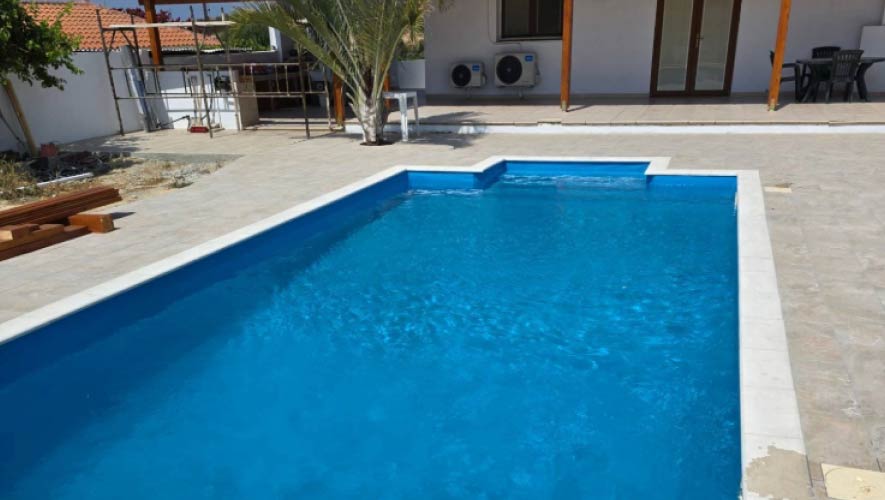
A reinforced PVC membrane is a flexible material, not a rigid plaster or fiberglass surface. While a 60 mil membrane offers excellent durability, it is still sensitive to major fluctuations in pH, mineral buildup, and harsh chemical exposure.
When pool chemistry becomes unbalanced:
- Low pH slowly damages the membrane surface and causes fading over time
- High pH creates calcium scale that dulls the appearance of the liner
- Excess chlorine or metals can cause discoloration and permanent stains
Even though a 60 mil membrane provides superior protection, ignoring water chemistry will still shorten its lifespan significantly.
The Four Most Important Water Parameters
Keeping these four values within the proper range will automatically protect your reinforced PVC membrane:
- pH: 7.2–7.6
- Total Alkalinity (TA): 80–120 ppm
- Calcium Hardness (CH): 175–300 ppm
- Free Chlorine: 1–3 ppm with cyanuric acid stabilizer at 30–50 ppm
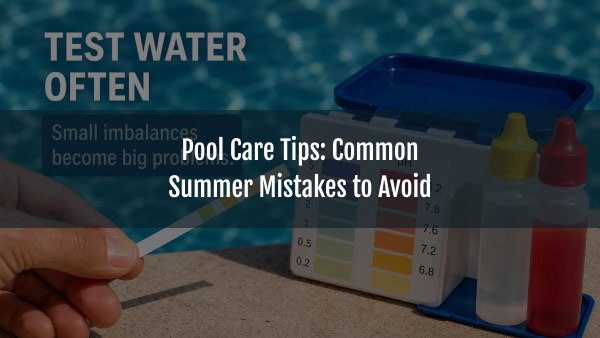
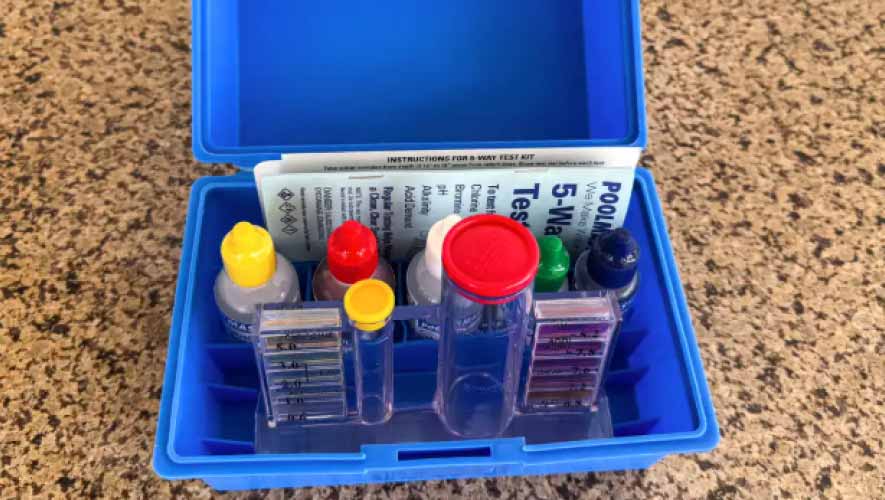
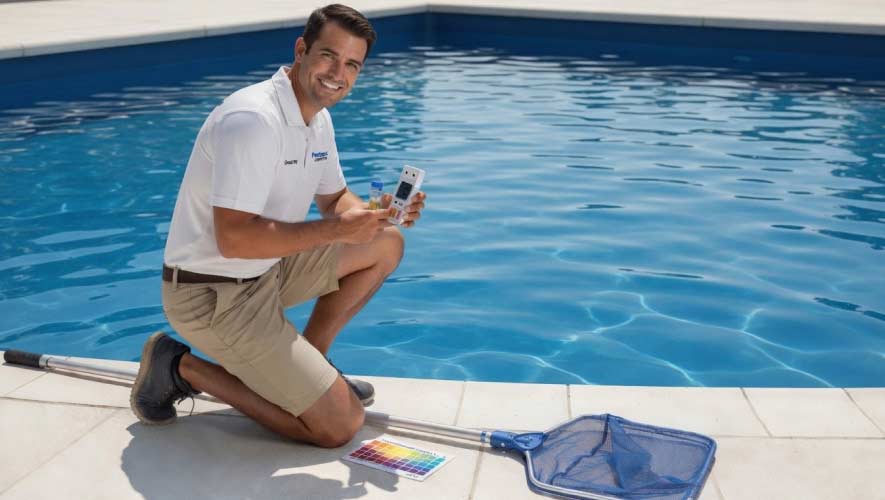
Test your pool water weekly using a reliable digital tester or liquid test kit. The process takes only a few minutes and can help prevent thousands of dollars in repairs.
The Most Common Mistakes That Damage PVC Membranes
Many pool owners accidentally damage their liners by following poor maintenance habits. Here are some of the most common and expensive mistakes:
- Ignoring pH levels until the water already looks cloudy
- Adding chemicals without testing first
- Keeping chlorine levels too high for extended periods
- Using copper-based algaecides that leave blue-green stains
- Shock treating the pool without dissolving chemicals first
- Allowing debris and algae to sit on the membrane surface
Undissolved pool chemicals can settle directly onto the liner and permanently bleach or discolor the material. Even premium membranes such as Cefil 60 mil require proper chemical handling to maintain their appearance.
A Simple Weekly Routine That Protects Your Pool
Good water chemistry becomes easy when you follow a consistent weekly routine.
Use this simple checklist:
- Test pH, alkalinity, calcium hardness, and chlorine every week
- Adjust only one chemical at a time
- Wait 4–6 hours before retesting the water
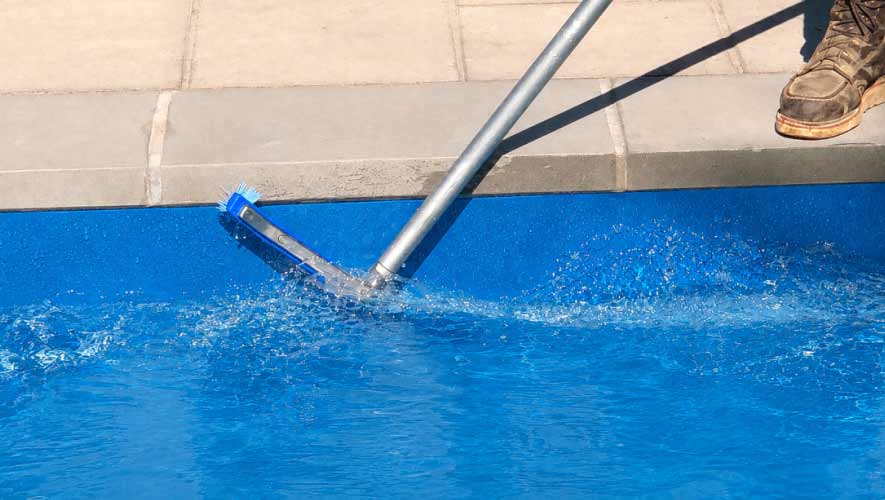
- Brush pool walls and floors twice per week
- Run the filtration system at least 8–10 hours daily during swim season
- Add preventative algaecide after heavy rain or large pool parties
- Maintain cyanuric acid levels between 30–50 ppm
- Replace 20–30% of the water annually to reduce dissolved solids buildup
These small habits dramatically reduce the risk of staining, fading, and chemical damage.
Professional Tips from SAKKO POOL Specialists
Experienced pool professionals understand that prevention is far easier and less expensive than liner replacement. The experts at SAKKO POOL recommend several important practices for maintaining reinforced PVC membranes.
Professional recommendations include:
- Always pre-dissolve powdered chemicals in a bucket of pool water
- Never pour acid directly into the skimmer or against pool walls
- Use a pool cover whenever possible to reduce UV exposure and chemical consumption
- Apply metal sequestrants if your pool uses well water or contains high metal content
- Consider installing a salt chlorine generator or UV sanitation system for gentler water treatment
These systems provide more stable disinfection and are generally easier on reinforced PVC membranes than traditional chemical-heavy maintenance methods.
When the water remains balanced, your 60-mil PVC liner stays soft, vibrant, and in excellent condition. You’ll spend much more time enjoying your pool and much less time worrying about stains or premature replacement.
At SAKKO POOL, we help pool owners across the country keep their liners in showroom condition with simple chemistry recommendations and premium care products. Your 60 mil PVC liner is your biggest pool investment. Treat it like a valuable asset.
Test your water this week, follow these recommendations—and enjoy peace of mind all season long.
Have Questions?
Talk to our specialist! Just fill out the form, and we’ll give you a call!
FAQ
Other articles on this topic
Custom Tanning Ledges: Why ICF + Cefil 60-Mil Beats Gunite & Thin Vinyl
Long-Term Pool Sustainability: ICF + Cefil 60-Mil for 20+ Years
Multi-Use Wellness Pools: ICF Structure + Cefil 60-Mil Membrane

Modern Pool Design: LED Lighting, Textures & 60-Mil Membranes
The True Cost of Owning a Pool: ICF & 60-Mil PVC ROI Explained