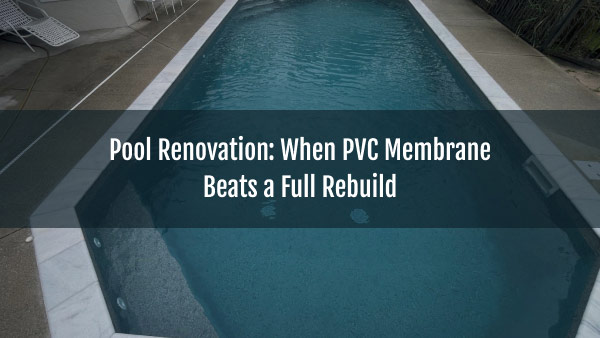
Florida homeowners love their pools, but building one here comes with unique challenges. Our sandy soils shift easily, the water table is high in many areas, and sudden storms add even more stress. Traditional gunite or poured-concrete pools often struggle under these conditions, leading to cracks, leaks, and costly repairs.
More and more families in Florida are discovering a better solution: ICF pool building (Insulated Concrete Form). These modern pools use lightweight expanded polystyrene (EPS) blocks that remain in place after a monolithic concrete pour, creating a strong, insulated, and flexible shell. When combined with a thick reinforced 60-mil PVC membrane, ICF pools perform exceptionally well on Florida’s difficult soils. If you’re thinking about adding a backyard pool, understanding why ICF construction handles our sandy soil and high water table better than traditional concrete can save you years of frustration and thousands of dollars.
The Real Challenges of Building Pools in Florida
Florida’s geology is not pool-friendly. Most of the state rests on loose, sandy soil that compacts poorly and shifts with changes in moisture. The high water table — often just a few feet below the surface in coastal and central areas — means groundwater constantly tries to seep into any excavation. Heavy rains and hurricanes make the problem worse by saturating the soil and increasing hydrostatic pressure against the pool walls.
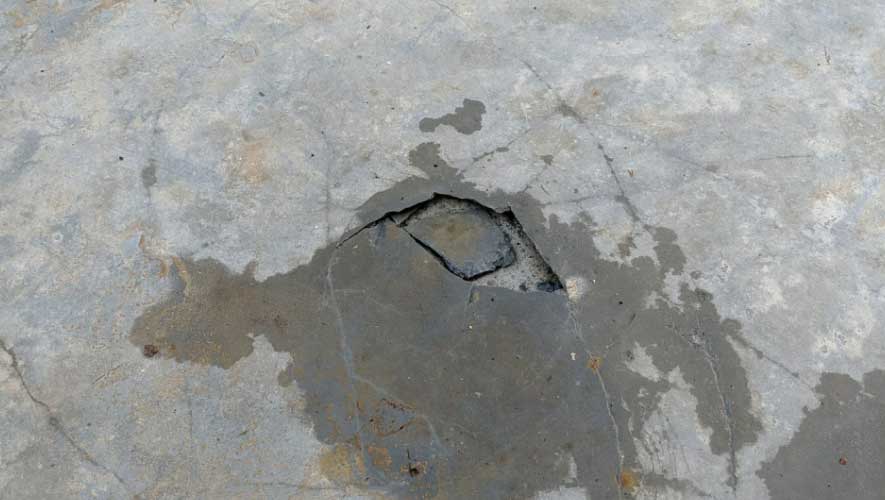
Traditional concrete pools, built with gunite or shotcrete sprayed over rebar, were designed for firmer soils found in other parts of the country. In Florida they face recurring problems.
Here’s what usually happens with conventional pools in our conditions:
- Ground shifting and settling cause cracks in the rigid concrete walls and floors.
- High water table leads to water seeping under or behind the pool shell during or after construction, creating leaks and hydrostatic pressure that can push walls inward.
- Poor soil compaction makes precise excavation difficult; over-digging or uneven backfill leads to weak spots.
- Moisture penetration into porous concrete accelerates deterioration, requiring frequent resurfacing and repairs.
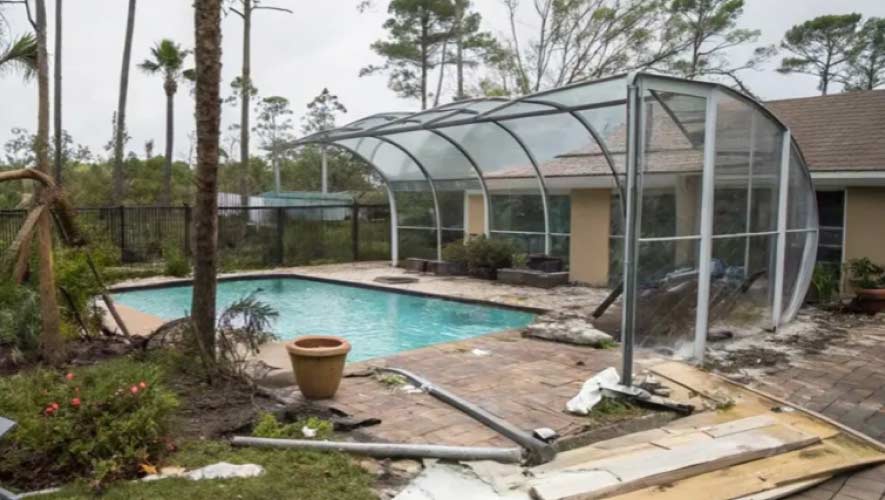
After storms like Hurricane Ian or Hurricane Milton, many owners of traditional pools discover serious structural damage that can cost tens of thousands of dollars to fix.
How ICF Construction Solves Florida’s Soil and Water Problems
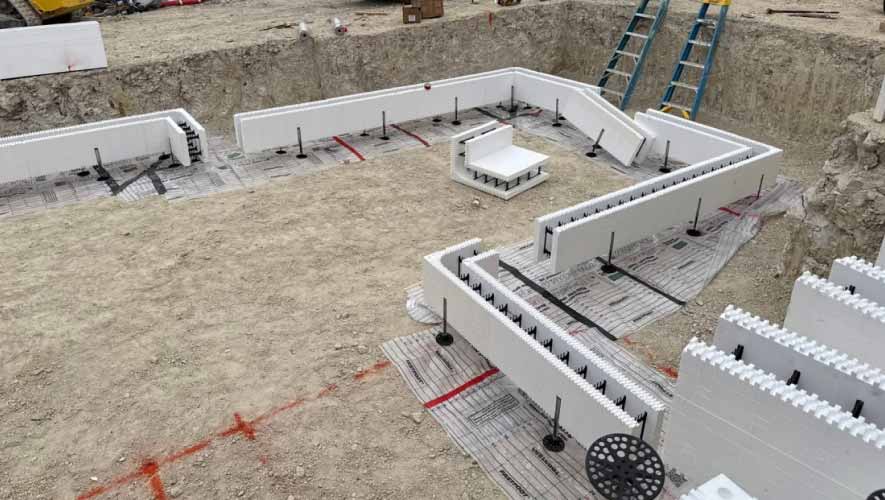
ICF pools change the rules. Builders stack lightweight foam blocks (the forms) like giant Lego pieces, add rebar, and pour concrete in one monolithic step — walls and floor become a single solid unit. The expanded polystyrene (EPS) stays permanently in place, providing continuous insulation and a flexible outer layer.
This design is especially effective in sandy soil and high-water-table areas for several key reasons:
- Monolithic strength — The single-pour concrete creates a much more rigid and stable shell than sprayed gunite, reducing the number of weak joints that crack when the soil shifts.
- Built-in flexibility — The surrounding EPS foam allows the structure to move slightly with ground changes instead of cracking under stress.
- Forgiving excavation — Unlike traditional pools that require perfect digging, ICF walls tolerate minor over-digging; you simply backfill afterward.
- Superior moisture protection — The EPS creates a natural waterproof barrier around the concrete, protecting it from constant contact with groundwater.
- Better resistance to hydrostatic pressure — The insulated shell distributes water pressure more evenly, preventing bowing or cracking when the water table rises.
Additional Benefits Florida Pool Owners Appreciate
Beyond solving the difficult soil and water issues, ICF pools deliver practical advantages that matter to busy families:
- Faster construction — Most ICF pools are completed in 4–6 weeks compared to 8–12+ weeks for traditional concrete pools, so you can enjoy your pool sooner.
- Energy efficiency — The built-in insulation keeps water warmer in winter and cooler in summer, cutting heating costs by 50–80%.
- Lower long-term maintenance costs — When lined with a thick reinforced PVC membrane such as Cefil 60 mil pool liner, the pool resists algae, stains, and chemical damage far better than plaster.
- Hurricane resilience — The combination of strong monolithic concrete and flexible foam has proven to withstand major storms with minimal damage.
Real-World Performance in Florida
Structures built with ICF technology (both homes and pools) have repeatedly shown superior performance during Florida hurricanes. After direct hits from storms like Irma and Michael, ICF buildings often remained virtually undamaged except for minor cosmetic issues, while neighboring traditional structures required major repairs.
The same principles apply to pools: the flexible yet extremely strong ICF shell combined with a thick PVC membrane handles ground shifts and flooding without the catastrophic cracking typical of rigid concrete.
Ready for a Pool Built for Florida Reality?
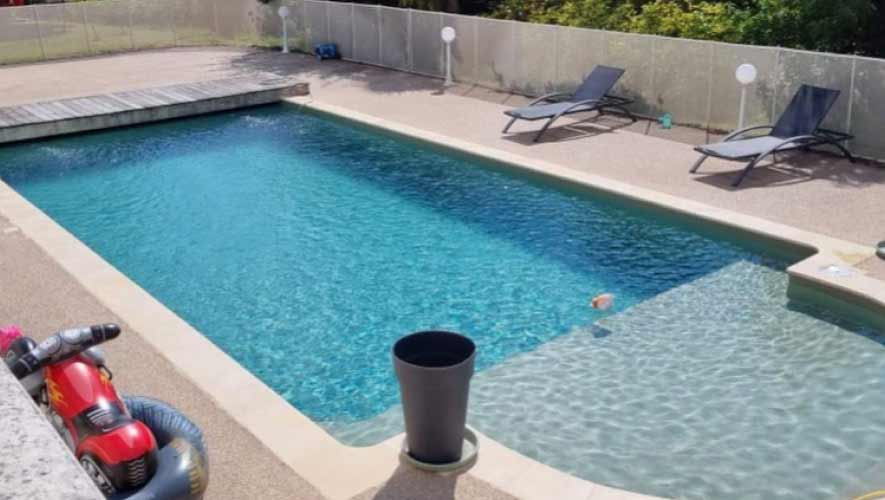
If you want a backyard pool that doesn’t just survive but actually thrives in our sandy soil, high water table, and hurricane-prone climate — instead of fighting against it — ICF construction is one of the smartest choices available today.
At SAKKO POOL, we specialize in exactly this approach: energy-efficient ICF pools lined with premium thick reinforced PVC membranes. We have helped many Florida families build strong, low-maintenance pools that stand up to storms and deliver years of worry-free enjoyment.
Ready to protect your investment and enjoy your oasis year-round? Contact SAKKO POOL today for a free consultation and personalized quote.
Your Florida-friendly pool is closer — and stronger — than you think.
Have Questions?
Talk to our specialist! Just fill out the form, and we’ll give you a call!
FAQ
Other articles on this topic
Long-Term Pool Sustainability: ICF + Cefil 60-Mil for 20+ Years
Multi-Use Wellness Pools: ICF Structure + Cefil 60-Mil Membrane

Modern Pool Design: LED Lighting, Textures & 60-Mil Membranes
The True Cost of Owning a Pool: ICF & 60-Mil PVC ROI Explained
Family Pool Design with ICF & 60-Mil PVC Membrane: Safe for All Ages