Imagine lounging by your backyard pool on a scorching summer day, with the sun beating down mercilessly. In places like Florida, Arizona, or California, where there’s plenty of sunshine year-round, owning a pool is a dream come true. But here’s the catch: not all pool liners are created equal. Thin vinyl liners, typically 20-27 mils thick, might seem like a budget option at first glance, but they often can’t handle the intense heat and ultraviolet rays of sunny climates.
This is especially important for modern pool projects that use ICF Block Pool Construction, where durability and long-term performance are essential. That’s where 60-mil reinforced PVC membranes come in—a tougher and smarter alternative that keeps your pool looking pristine and ensures flawless performance for decades.
In this article, we’ll break down why these thicker liners excel in hot, sunny conditions.
Understanding Pool Liners: The Basics
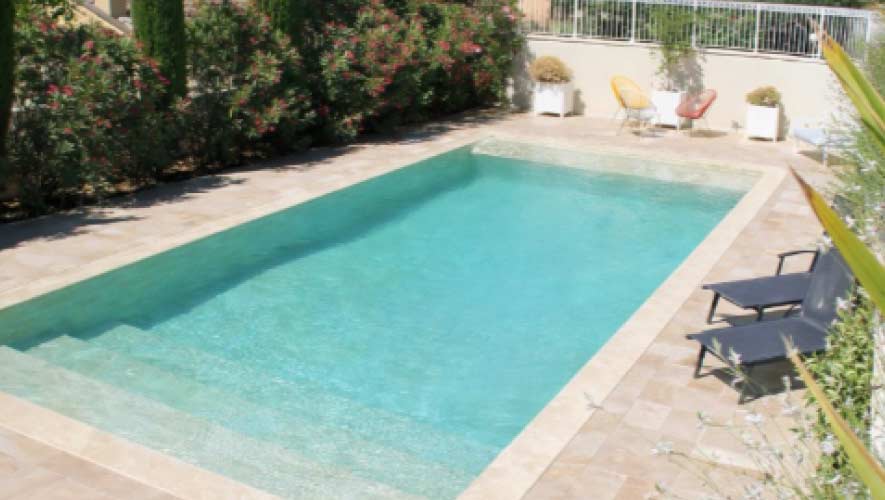
First, let’s clarify what we’re talking about. A pool liner is essentially the waterproof shell of your swimming pool, holding in the water and providing a smooth, attractive surface. Traditional thin liners are made from basic vinyl, about as thick as a few stacked sheets of paper (20-27 mils, where 1 mil equals 1/1000th of an inch). They’re common in residential pools because they’re affordable and easy to install initially. On the other hand, thick reinforced PVC membranes, like Cefil 60 mil—commonly known as a 60 mil pool liner—are a kind of heavy-duty upgrade. It consists of three layers: two layers of durable PVC, with a strong polyester reinforcing mesh in the middle. The outer layer of such a membrane is often coated with a special protective acrylic lacquer.
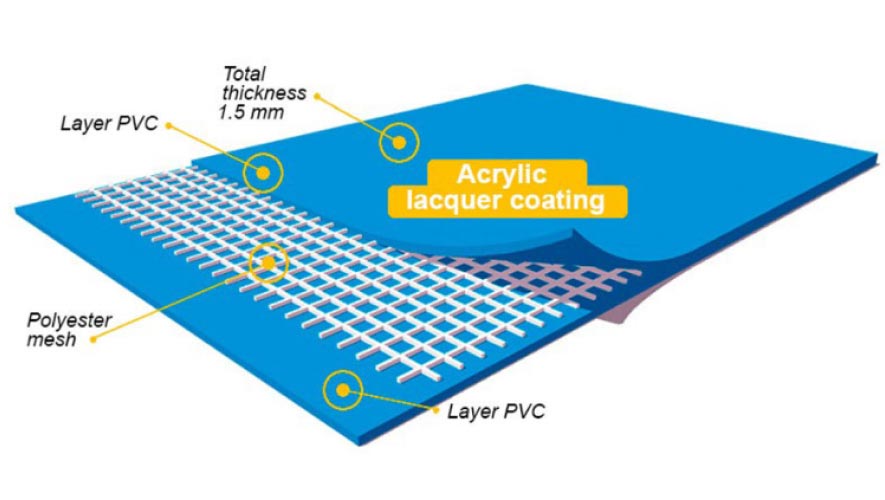
This design makes them thicker, more flexible, and much stronger. While thin liners might suit mild climates or low-use pools, in sunny regions, the 60-mil option outperforms the rest, providing superior protection against the factors that degrade pools the fastest: relentless sun, heat, and daily wear. Why does this matter in sunny climates? Constant exposure to UV rays and high temperatures accelerates the aging of pool materials, leading to cracks, fading, and leaks. Thicker reinforced liners are designed to counter this, saving you time, money, and nerves in the long run.
Superior UV Resistance: Shielding Against the Sun’s Wrath
In sunny climates, ultraviolet (UV) rays are the silent killer of pool liners. They break down the plasticizers in vinyl, causing colors to fade, materials to become brittle, and surfaces to crack over time, as well as forming folds and wrinkles. Thin liners lose 20-25% of their thickness during installation, making them even more vulnerable to UV exposure right from the start.
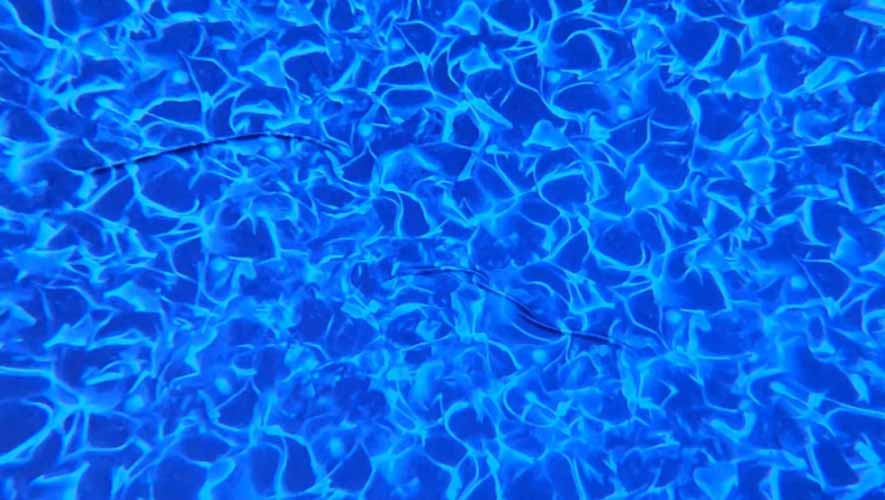
In places like Florida, where the sun shines intensely for over 200 days a year, this means your pool could look worn out in just a few seasons. However, 60-mil reinforced PVC membranes are equipped with built-in UV stabilizers and a protective lacquer coating that blocks harmful rays.
They maintain their full thickness—around 59-60 mils after installation—ensuring even protection across the entire surface. This isn’t just theory; in real-world tests, these liners have shown resistance to fading and preservation of vibrant colors for many years, even under constant sunlight.
Practical benefits? Your pool stays looking like new longer, boosting your home’s curb appeal and resale value. No more dealing with unsightly fading or extra costs for covers to protect the liner. For families in sunny regions, this means more time spent in the pool and less time worrying about sun damage. Here are some key advantages of 60-mil PVC membranes in terms of UV protection:
- Built-in stabilizers: They contain chemicals that absorb UV energy, preventing breakdown of the PVC structure.
- Thicker material barrier: The extra mils act as a physical shield, slowing ray penetration compared to thin liners that wear out faster.
- Color retention: Patterns and shades remain vibrant, avoiding the washed-out look typical of thin vinyl.
- Extended warranty: Many manufacturers offer 15-20-year warranties on UV resistance, providing peace of mind in high-sun areas.
Enhanced Durability and Longevity: Built to Last in the Heat
Heat is another major issue in sunny regions. Temperatures can rise above 90°F (32°C), causing thin liners to expand, wrinkle, and absorb water or chemicals, leading to irreversible damage.
Thin liners have low tear strength (just 8-12 pounds of force to puncture them), making them prone to tears from toys, pets, or even sharp objects. In hot weather, this vulnerability increases as the material softens. Compare that to reinforced PVC membranes used by an experienced ICF Pool Builder, where the polyester mesh core boosts tear strength to 45–55 pounds, making it 4–5 times tougher.
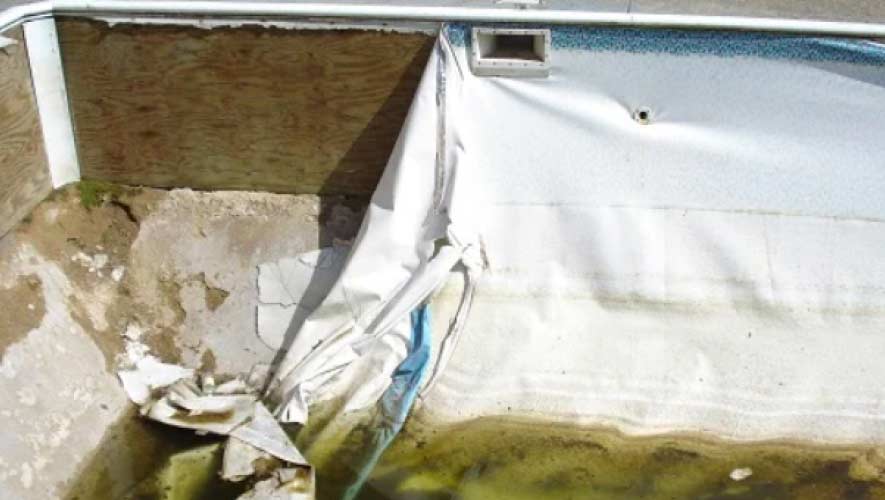
It handles temperature fluctuations without cracking or peeling, even in extreme heat or unexpected cold snaps.
In sunny states like Florida, where humidity and salty air amplify wear, these liners prevent common problems like cracking or tears. The longevity difference is clear: thin liners typically last 5-10 years, requiring multiple replacements over a pool’s lifespan.60-mil versions can last 20-25 years with proper care.
Real example: Olympic pools renovated with 60-mil PVC membranes withstand heavy use and sun exposure, maintaining an attractive appearance and watertightness for many years.
For homeowners, this means a pool that’s safe for kids’ play and resilient to environmental factors.
List of durability advantages:
- Puncture and tear resistance: The reinforcing mesh prevents damage and leaks.
- Heat resistance: No wrinkles or expansion under protective covers or direct sunlight.
- Chemical resistance: Better handles chlorine and pH fluctuations without degradation.
- Freeze-thaw protection: Flexible down to -22°F (-29°C), ideal if sunny winters turn cold unexpectedly.
Easier Maintenance and Cost Savings: Practical Perks for Busy Owners
Who wants to spend weekends scrubbing algae or balancing chemicals? In sunny climates, warmth accelerates algae growth and evaporation, turning maintenance into a routine. Thin liners require strict water chemistry (e.g., calcium hardness 200-400 ppm) to prevent staining or bleaching, often demanding 30-50% more labor. They require frequent cleaning to prevent bacterial growth.
60-mil reinforced PVC membrane is non-porous, and the protective lacquer layer contains antibacterial additives, naturally resisting algae and stains.
The smooth surface makes cleaning much easier—just a soft brush.
In hot regions, this reduces chemical use and the need for water top-ups, lowering utility bills. Cost-wise, while thick reinforced 60-mil PVC membranes have a higher initial price, they pay off handsomely. Over 20 years, you’ll avoid 3-4 thin liner replacements, saving thousands of dollars.
Installation is also faster, taking less time than plastering or tiling, so your pool is ready sooner.
Plus, they’re lightweight, reducing stress on the pool structure and minimizing crack risks.
Practical benefits in action: A Florida family using a 60-mil liner reports spending half the time on maintenance compared to their old thin liner, freeing up weekends for swimming instead of chores.
Maintenance advantages:
- Antimicrobial coating: Prevents bacteria and algae, reducing cleaning frequency.
- Lower chemical needs: The protective lacquer layer also means fewer pH and chlorine adjustments.
Energy efficiency: Better insulation provides savings on heating/cooling.
Aesthetic and Safety Boosts: More Than Just Toughness
Beyond basic features, 60-mil liners provide style and safety. Available in a wide range of colors, patterns (like marble or tile mimics), and even anti-slip textures, they let you personalize your pool without sacrificing durability. For homeowners planning Pool Construction with ICF Blocks, these liners integrate perfectly with modern pool structures, creating a long-lasting waterproof finish.
In sunny climates, darker shades absorb heat, making the water warmer for added comfort. Safety-wise, textured options reduce slipping on steps, a big plus for families.
Unlike thin liners that wrinkle, form folds, and create tripping hazards, these stay smooth and secure.
Wrapping Up: Make the Smart Choice for Your Sunny Oasis
In sunny climates dominated by intense UV radiation and heat, skimping on a pool liner can lead to unpleasant consequences. Thin 20-27 mil liners might save money initially, but their short lifespan, high maintenance costs, and vulnerability to the environment make them unsuitable for long-term use.
60 mil reinforced PVC membranes, with their sturdy design and proven performance, offer a reliable and hassle-free solution that preserves your pool’s beauty and functionality for decades. Whether you’re building a new pool or renovating an old one, consider the practical benefits: longer lifespan, easier care, and peace of mind.
Pool builder SAKKO POOL in Florida specializes in these liners, adapting them to local conditions for optimal results.
Invest in quality today, and your backyard paradise will thank you tomorrow. Ready for an upgrade? Consult with SAKKO POOL to see how a 60-mil liner can transform your sunny swimming days.
Have Questions?
Talk to our specialist! Just fill out the form, and we’ll give you a call!
FAQ
Other articles on this topic
Common Pool Liner Problems: Insights from Reddit Communities
ICF Blocks Compared: Stronghold vs. BuildBlock – Which One Wins?
Common Pool Liner Mistakes to Avoid: Lessons from Real Renovation Projects
Insulated Swimming Pool Benefits: Energy Efficiency and Year-Round Use
ICF Pools vs Traditional Pool Construction: Which Method is Better?
Everything You Need to Know About ICF Pools: In-Depth Guide by Sakko Pool