
If you’re a pool owner or dreaming of building one in your backyard, you’ve likely heard horror stories about pools cracking and becoming unusable. One of the main causes is Alkali-Silica Reaction (ASR), often called “concrete cancer.” This sneaky problem affects concrete pools, turning what should be a relaxing oasis into a costly headache. Drawing from investigative reports, let’s break down what ASR is, why it happens, its consequences, and how to fix it—plus a smart, budget-friendly alternative using modern materials.
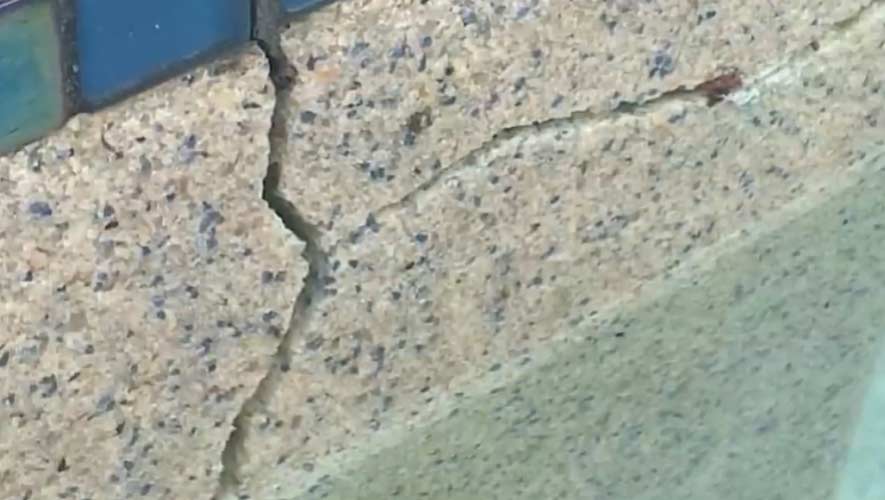
What Causes ASR?
ASR occurs when the concrete mix in your pool isn’t quite right. Specifically, it happens if there’s not enough “fly ash”—a byproduct of coal burning added to strengthen the mix and prevent reactions. During the COVID-19 pandemic, fly ash supplies dwindled, forcing builders to skip or skimp on it in many pools built around 2020-2021. Once water (from the pool or groundwater) seeps in, it triggers a chemical reaction: Alkalis in the cement react with silica in the aggregates, forming a gel that expands like a sponge. Over time—usually 3–5 years, but sometimes sooner—this swelling causes the concrete to crack and deteriorate, much like cancer spreading through tissue.
Symptoms start subtle:
- Hairline cracks on walls
- Scaly patterns
- Unusual leaks
- Calcium deposits
- Unexplained water level drops
If ignored, it worsens, making the pool unsafe and unsightly.
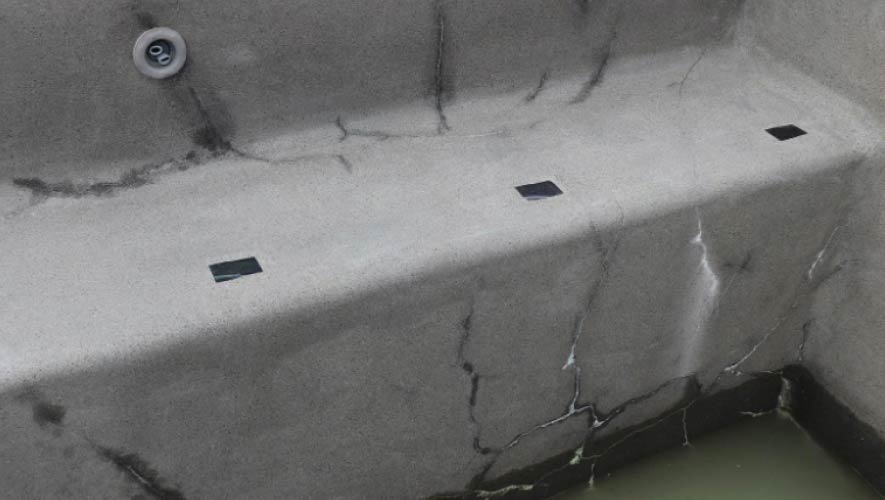
The Consequences for Pool Owners
For those hit by ASR, the consequences are awful. Your pool might become completely unusable, forcing you to drain it and face an unsightly backyard view. In places like Central Texas, where thousands of pools built since 2017 are at risk, owners face huge repair bills—often $130,000 or more to demolish and rebuild, double or triple the original cost. Testing core samples in labs alone costs $7,000–$10,000, but backlogs mean waiting 2–3 months for results, adding to the stress. Many resort to home equity loans, while others sue builders for negligence—leading to hundreds of lawsuits and some companies closing down. Emotionally, it’s draining: Families miss out on summer fun, and the uncertainty lingers. Financially, it’s a blow—higher water bills from leaks, plus the risk of property value drops if not addressed.
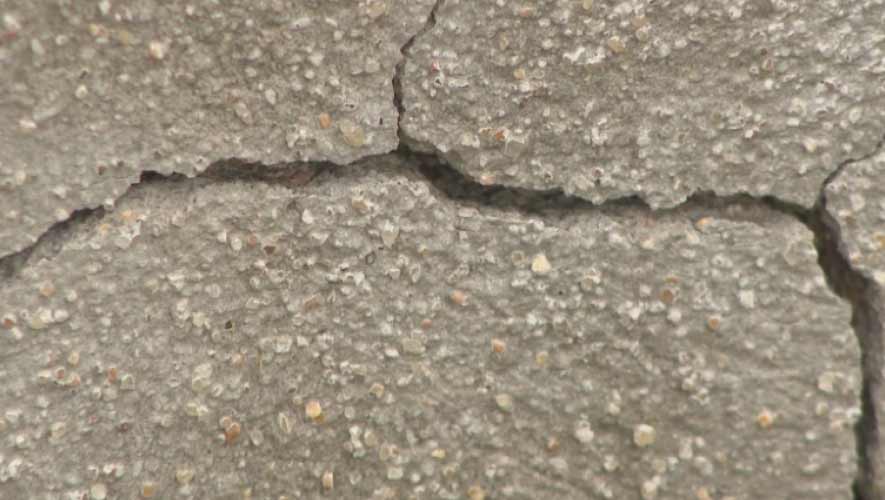
Common Methods to Solve ASR
Unfortunately, ASR can’t be patched like a simple crack. The standard fix is demolition: The old shell is jackhammered, debris is hauled away, and the pool is rebuilt from scratch with better concrete. This is thorough but disruptive—expect weeks of noise, dust, and downtime, plus significant costs. Some opt for temporary sealants to buy time, but that’s not a long-term solution.
A Smarter Fix: Thick Reinforced PVC Membranes
The good news: Extensive cracks from ASR aren’t a death sentence for your pool. A quick and inexpensive alternative is applying a thick reinforced PVC membrane, such as Cefil 60 mil pool liner, directly over the damaged concrete. This durable liner—three times thicker than standard vinyl—does the following:
- Instantly seals leaks,
- Restores waterproofing,
- Adapts to any future shifts, preventing new problems.
This liner has the following benefits:
- Installation takes days, not weeks, with minimal prep: Clean the surface, add a soft geotextile underlay for comfort, and weld the membrane seams for a waterproof barrier.
- It’s budget-friendly (often $10,000–$15,000 for average-sized pools vs. $100,000+ for reconstruction), eco-smart (less waste), and customizable—choose colors or textures mimicking tile or stone for a fresh look.
- It’s perfect for ASR-affected pools, turning a problem pool back into a safe and beautiful retreat without full demolition. If you’re facing “concrete cancer,” consider this modern upgrade for peace of mind and savings.
The Many Advantages of Thick Reinforced 60 Mil PVC Membranes
What sets 60 mil reinforced PVC apart? This durable material—three times thicker than standard vinyl liners—has a polyester mesh core for unmatched strength. Here are its key advantages:
- Superior Durability and Puncture Resistance: At 60 mil thick, it’s virtually puncture-proof against toys, pets, and debris. It withstands impacts that would tear thinner liners, with tear strength 3–5 times higher.
- Long Lifespan: Expect 25–30 years of service, even under heavy use, with a 10-year warranty. It lasts a decade longer than plaster or tile, reducing replacement frequency.
- Complete Waterproofing: Forms a seamless barrier that eliminates leaks from cracks or corrosion, saving thousands annually on water costs.
- Flexibility Against Movement: Doesn’t crack from freeze-thaw cycles, ground shifts, or landslides—ideal for sloped sites.
- Easy, Non-Demolition Installation: Welded over existing surfaces in days with minimal prep. No heavy equipment required.
- Low Maintenance: Smooth, non-porous surface resists algae, stains, and chemicals. Tolerates a wider pH range (7.2–7.8) and requires less cleaning or shocking.
- Aesthetic Versatility: Custom colors and textures mimic luxury materials, complementing any design.
- Safety and Comfort: Soft underfoot, preventing scratches on contact with the pool surface.
- Non-Slip Surface: Reduces fall risks.
- Resistance to Stains and UV Rays: Acrylic lacquer layer with special additives keeps the membrane looking new for a long time; it’s fade-resistant even in sunny climates.
- Cost-Effectiveness: Lower initial and long-term costs—up to 40% savings compared to repeated traditional repairs.
- Eco-Friendly: Reduces chemical use and water waste; many brands are recyclable.
Wrapping Up: Hope for ASR-Affected Pools
ASR might sound like a pool’s worst nightmare, but with awareness and smart solutions like 60 mil PVC membranes, you can reclaim your backyard enjoyment. If your pool shows signs of ASR, get it tested right away and explore non-demolition options. A little prevention goes a long way—your vibrant summer days depend on it!
You can buy high-quality PVC membrane and order its installation at SAKKO POOL. Our specialists will answer all your questions and help choose the best option.
Check out an example of “treating” a cracked pool healed with thick reinforced CEFIL PVC membrane.
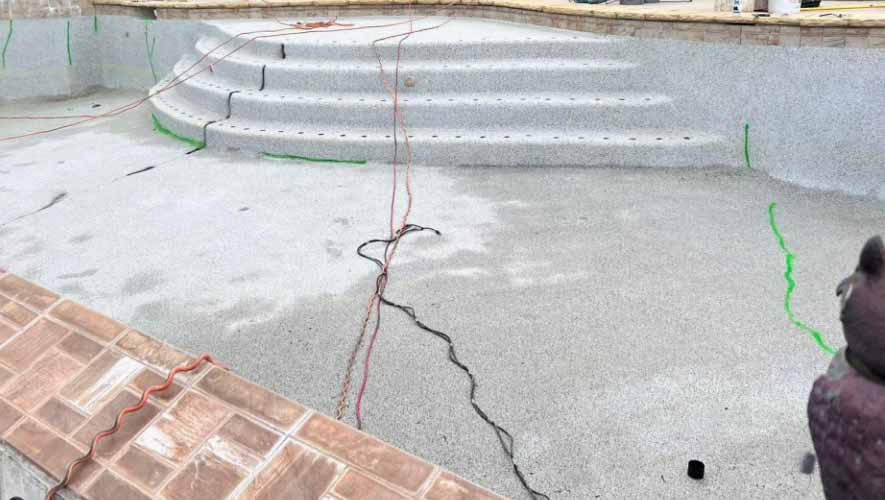
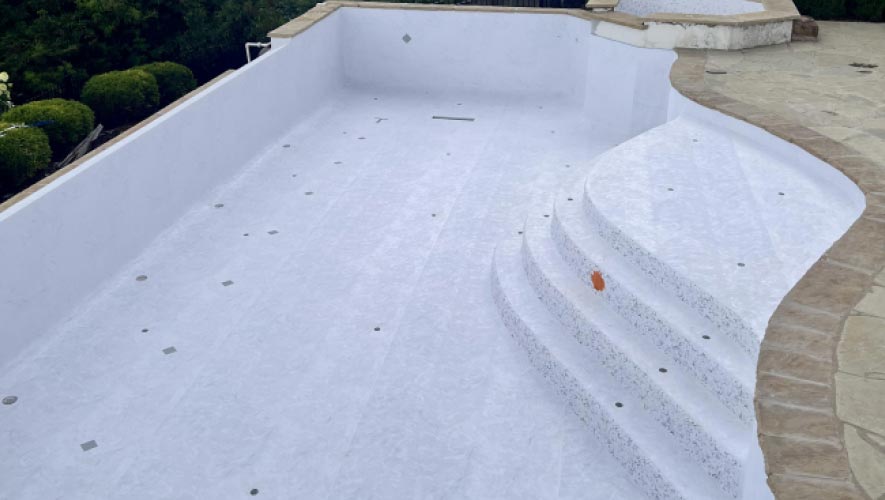
Traditional pool reconstruction proposed by a local contractor would have cost the owner an unaffordable amount. Installing the thick reinforced PVC membrane cost three times less.Are you plagued by the same problems—cracks and leaks? Contact SAKKO POOL.
Have Questions?
Talk to our specialist! Just fill out the form, and we’ll give you a call!