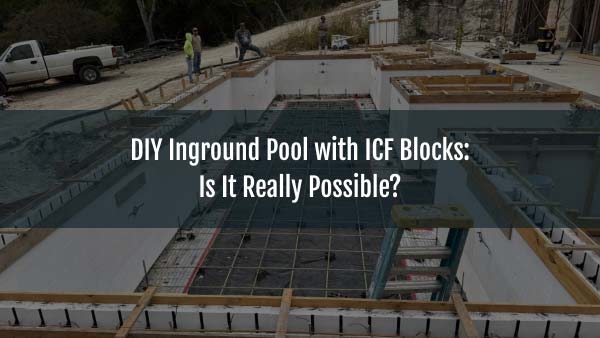
Florida homeowners dreaming of a backyard pool in 2026 are facing higher material and labor prices than ever before. Yet a smart choice can still deliver real value. The cost of a medium-sized inground pool (about 15 × 30 feet or 450 square feet of surface area) typically ranges from $70,000 to $130,000 or more, depending on the construction method. Modern ICF Block Pool Construction offers a cost-efficient alternative that combines durability with long-term energy savings. The real picture, however, unfolds over 10 to 20 years when you factor in operating costs, maintenance, and durability — especially in Florida’s intense sun, humidity, hurricanes, and shifting sandy soils.
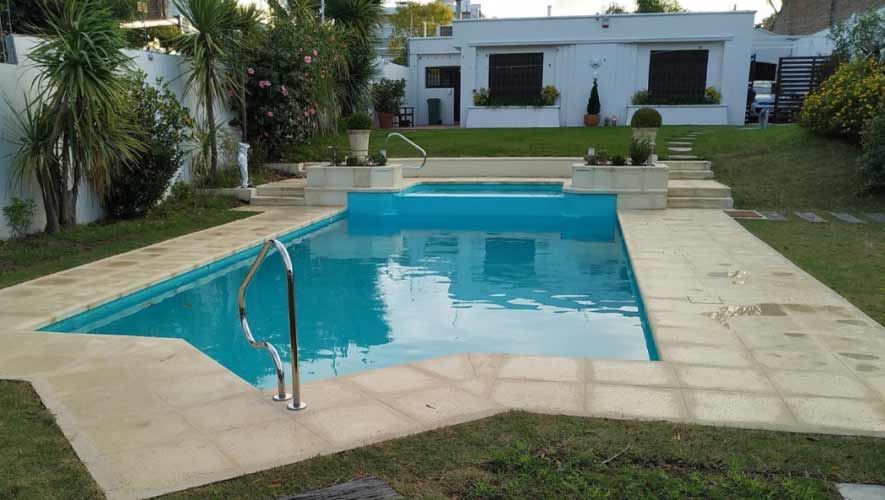
At SAKKO POOL, we specialize in Insulated Concrete Forms (ICF) blocks paired exclusively with thick reinforced PVC membranes such as Cefil 60 mil pool liners. This combination outperforms traditional shotcrete (gunite), fiberglass, and plaster-or-tile concrete pools in total lifetime cost while delivering unmatched energy efficiency and storm resistance.
Below is a clear side-by-side comparison for a typical medium-sized Florida pool in 2026, followed by a detailed breakdown.
Sources for 2026 Florida pricing: Aggregated from recent industry reports (Angi, HomeGuide, Thursday Pools, River Pools, and local Florida builders). Prices include permitting, excavation, filtration, basic coping/deck, and installation. Site conditions, water features, or premium decking can add 15–30%.
Key takeaway: The ICF + thick PVC membrane option cuts energy costs by 40–60% thanks to the built-in foam insulation of the ICF blocks and the excellent thermal properties of the PVC. No need for plaster resurfacing or grout cleaning means thousands of dollars saved over a decade.
Shotcrete (Gunite) Pools: Custom but Expensive in the Long Run
Advantages:
- Unlimited custom shapes and depths
- Extremely durable shell (50+ years)
- High-end look with plaster or tile
Disadvantages:
- Longest construction time (extended curing)
- Highest upfront and operating costs
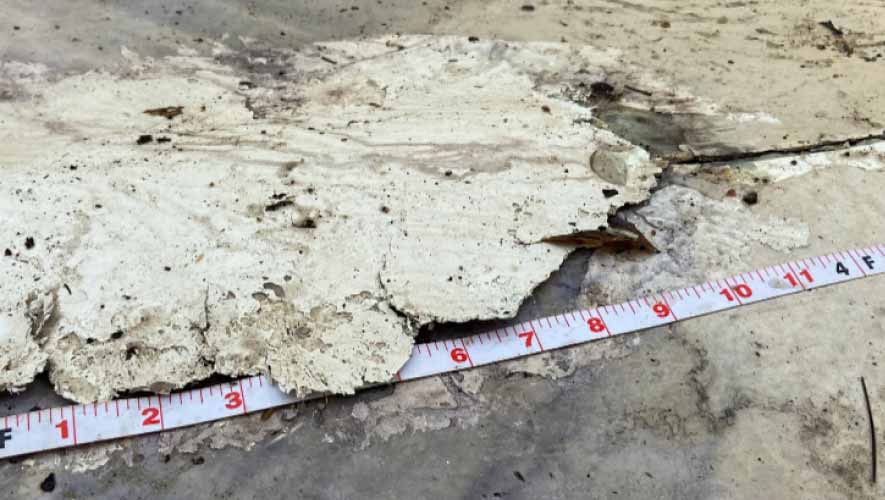
- Plaster fades and cracks in Florida sun; resurfacing needed every 10–15 years
- Higher heating bills (no built-in insulation)
Plaster is the cheaper finish initially, but tile adds luxury at extra upfront and ongoing grout-maintenance expense.

Fiberglass Pools: Fast and Easy to Maintain, but Limited Options
Advantages:
- Fastest installation
- Smooth, algae-resistant surface
- Lower routine maintenance than concrete
Disadvantages:
- Limited shapes and sizes (factory-molded)
- Can crack or delaminate during strong storms or ground movement in Florida
- Gelcoat fading requires periodic polishing
- Less energy efficient (no wall insulation)
They work great for simple rectangles, but many Florida families want free-form or fully custom designs that fiberglass can’t easily provide.
ICF Blocks + Thick Reinforced PVC Membranes: The Smart Winner for 2026
ICF blocks are stacked foam forms filled with reinforced concrete, creating a super-insulated, hurricane-resistant shell. The interior finish is exclusively a thick 60-mil reinforced PVC membrane welded on site.
Advantages:
- Construction time: 4–8 weeks (faster than shotcrete)
- Built-in insulation = lowest heating costs
- 60-mil PVC lasts 25–30 years thanks to UV stabilizers and antimicrobial protection
- Flexible membrane adapts to ground shifts without cracking
- Lowest 10-year operating costs
- Stylish patterns (tile, natural stone, or marble looks)
Disadvantages:
- Slightly higher material cost than basic fiberglass (offset by long-term savings)
- Requires experienced installers (SAKKO POOL specializes in this exact system)
Long-Term Savings Analysis: Why ICF + Thick PVC Pays for Itself
Over 10 years, an ICF + 60-mil PVC pool typically saves $15,000 to $35,000 compared with a plaster gunite pool and $5,000 to $15,000 compared with fiberglass. Here’s why:
- No surface refinishing or liner replacement (the thick PVC lasts 25–30 years without replacement)
- 40–60% lower heating bills
- Minimal chemical use (non-porous surface prevents algae)
- Hurricane resistance reduces insurance claims and repair risk
Many Florida families recover the modest upfront premium in just 4–6 years through energy and maintenance savings alone.
Ready to Build Smarter in 2026?
Whether you’re planning your first backyard pool or upgrading an existing one, ICF blocks combined with a thick reinforced PVC membrane offer the best balance of upfront value, speed, durability, and lifetime savings in Florida’s demanding climate.
At SAKKO POOL we are Florida’s specialists in this exact system — official U.S. partners for premium Cefil 60-mil membranes and experienced ICF builders. We provide a free custom quote, 3D design, and transparent 2026 pricing tailored to your yard and budget. Contact us today to see how much you can save with an energy-efficient, low-maintenance ICF + thick PVC pool. Your perfect Florida oasis is closer — and more affordable in the long run — than you think!
Have Questions?
Talk to our specialist! Just fill out the form, and we’ll give you a call!
FAQ
Other articles on this topic
Common Pool Restoration Mistakes and How Thick PVC Membranes Fix Them in Florida Homes
Why a 60-Mil PVC Pool Liner Outperforms Thin Pool Liners in Sunny Climates
Common Pool Liner Problems: Insights from Reddit Communities
ICF Blocks Compared: Stronghold vs. BuildBlock – Which One Wins?
Common Pool Liner Mistakes to Avoid: Lessons from Real Renovation Projects
Insulated Swimming Pool Benefits: Energy Efficiency and Year-Round Use