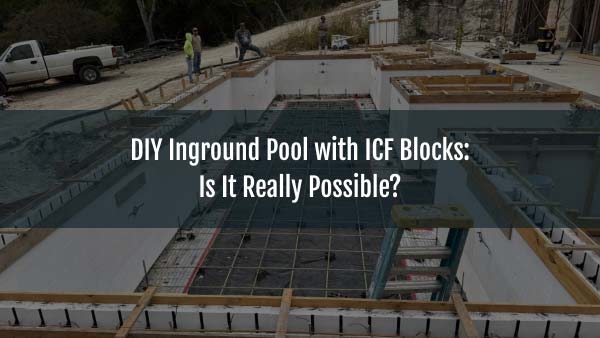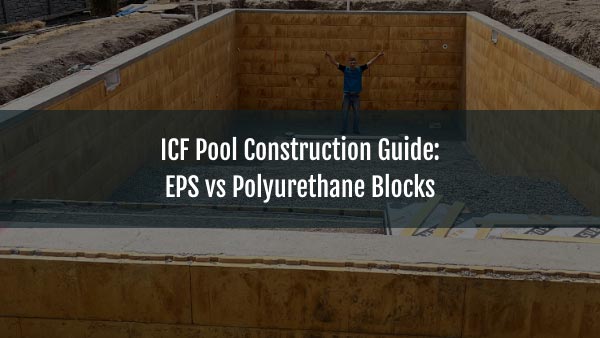
Imagine dipping into a warm, inviting pool on a crisp fall day or even during mild winter weather—without cranking up the heater and watching your energy bills skyrocket. That’s the promise of an insulated swimming pool, a smart upgrade for anyone who wants more from their backyard oasis. These pools aren’t just about summer splashes; they’re designed for efficiency, comfort, and extended enjoyment. Whether you’re building new or retrofitting an old one, insulation turns a standard pool into a year-round haven. In this article, we’ll explore the key benefits, modern construction technologies such as ICF Block Pool Construction, insulation options for existing pools, and why a thick PVC membrane is the ideal finishing touch. If you’re a homeowner dreaming of endless swims or a family looking to maximize fun, read on to see how insulation can make your pool dreams a reality.

The Main Advantages of Insulated Pools
Insulated pools go beyond basic concrete or fiberglass designs by incorporating materials that trap heat and block cold, leading to impressive perks for users. Here’s a breakdown of the top benefits:
- Energy Efficiency and Cost Savings: Insulation reduces heat loss by up to 80%, meaning less reliance on heaters. This can slash monthly energy bills by $200–$500, depending on climate and usage, making it a wallet-friendly choice over time.
- Year-Round Usability: With better temperature retention, you can swim comfortably in shoulder seasons or even winter in milder areas. No more closing the pool early—extend your season by months without extra costs.
- Comfort and Consistency: Water stays warmer naturally, avoiding shocking cold dips. This is great for families, therapy swims, or evening relaxes, enhancing overall enjoyment.
- Environmental Impact: Lower energy use means a smaller carbon footprint. Insulated pools align with eco-conscious living, using less electricity or gas for heating.
- Durability Boost: Insulation protects against freeze-thaw damage in cold regions, reducing cracks and extending the pool’s lifespan by 10–20 years.
These advantages make insulated pools a practical upgrade, especially in variable weather zones like the Midwest or Northeast.
Insulated Pools Are Constructed: The ICF Block Method
One popular method for constructing insulated pools is to use ICF (Insulated Concrete Form) blocks. This approach is widely used by an experienced ICF Pool Builder because it combines structural strength with superior thermal performance. ICF blocks consist of two foam panels connected by plastic ties, between which reinforcement is installed and concrete is poured. This creates a reinforced concrete wall inside the insulation.
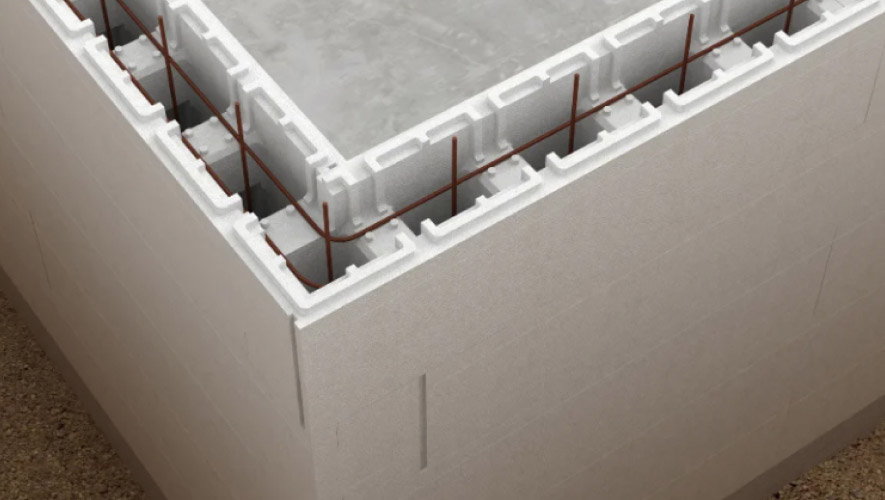
ICF construction is straightforward, energy-smart, and customizable, often completing faster than traditional methods. ICF blocks come in two main types—expanded polystyrene (EPS) and polyurethane—each with unique properties:
- Expanded Polystyrene (EPS): Made from lightweight, bead-like foam, EPS offers good insulation (R-value of 4–5 per inch) and is affordable. It’s mold-resistant, easy to cut, and recyclable, making it ideal for budget builds. Advantages include low weight for simple handling and fire-retardant qualities. However, it’s less dense, so it may need extra support in high-moisture areas.
- Polyurethane: A denser foam with superior insulation (R-value of 6–7 per inch), polyurethane excels in humidity resistance and structural rigidity. It’s smoother and more uniform, providing better soundproofing too. Advantages: Stronger against water intrusion and ideal for climates with heavy rain or freezes. The trade-off is a higher cost, but it pays off in longevity.
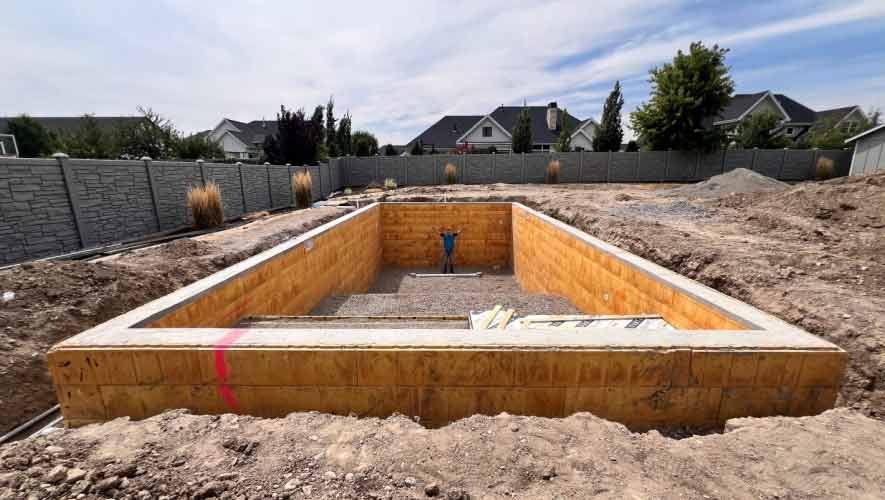
The construction stages usually include excavation, pouring the foundation slab, laying ICF blocks with reinforcement, pouring concrete, and finishing. There is also a monolithic pouring method, where the blocks are installed in a special way and the walls and bottom of the pool are poured simultaneously.
The foam remains in place as permanent insulation, creating a thermal barrier that keeps heat inside and cold outside.
The Best Lining for Insulated Pools: Thick Reinforced 60 Mil PVC Membrane
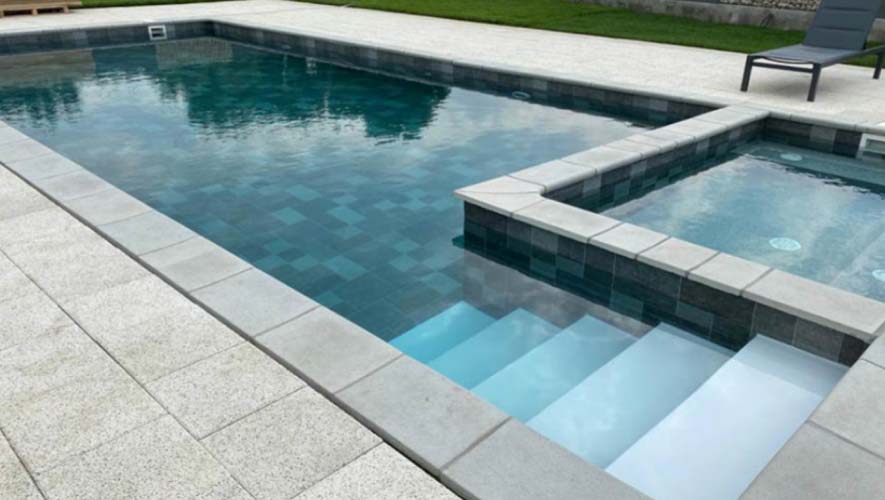
To seal and enhance your insulated pool, nothing beats a thick reinforced PVC membrane. This durable 60 mil pool liner layer installs over the shell, providing waterproofing and style.
Main advantages:
- Superior Strength: Reinforced with polyester scrim, it’s puncture-resistant and flexes without cracking—perfect for ICF’s insulated core.
- Longevity: Lasts 25–30 years with minimal wear, outpacing thinner vinyl or plaster.
- Low Maintenance: Non-porous surface fights algae and stains; cleans easily with basic tools.
- Energy Boost: Pairs with insulation to retain heat better, amplifying efficiency.
- Custom Appeal: Available in colors and textures mimicking stone or tile for a premium look.
Opt for brands like Cefil for quality—it’s a worthwhile investment for any insulated setup.
Have Questions?
Talk to our specialist! Just fill out the form, and we’ll give you a call!
Conclusion
Insulated pools offer real benefits, such as savings and a significantly extended service life. And, of course, let’s not forget about the amazing comfort and extended seasonal use. Thanks to the 60 mil thick PVC coating, your pool will be a source of joy almost all year round. You can purchase this membrane and order its installation at SAKKO POOL.
Dive in and enjoy!
FAQ
Other articles on this topic
Common Pool Restoration Mistakes and How Thick PVC Membranes Fix Them in Florida Homes
Why a 60-Mil PVC Pool Liner Outperforms Thin Pool Liners in Sunny Climates
Common Pool Liner Problems: Insights from Reddit Communities
ICF Blocks Compared: Stronghold vs. BuildBlock – Which One Wins?
Common Pool Liner Mistakes to Avoid: Lessons from Real Renovation Projects