Building a swimming pool is an exciting investment that can turn your backyard into a comfortable retreat. But with so many construction options, choosing the right method is key to long-term satisfaction—especially when planning pool construction Wellington FL, where durability, energy efficiency, and long-term performance matter due to climate conditions. Two popular approaches are traditional methods, such as gunite and fiberglass, which are well-known. Traditional pools have been the standard for decades, using poured concrete or pre-molded fiberglass shells. As for ICF blocks (Insulated Concrete Forms), they have been used for many years in home and industrial construction. Made from expanded polystyrene, they give the pool unique properties that no other building material possesses. In this article, we’ll compare these methods, highlighting why foam concrete pools, also known as ICF pools, often prove better in terms of energy savings, durability, and ease of use. Whether you’re building a pool for the first time or renovating an existing one, understanding these methods will help you decide what’s best for your home and budget—especially if you’re working with a professional pool builder Wellington who can recommend the right construction approach based on your property, soil conditions, and long-term goals.
Advantages of Traditional Pool Construction
h2 Advantages of Traditional Pool Construction
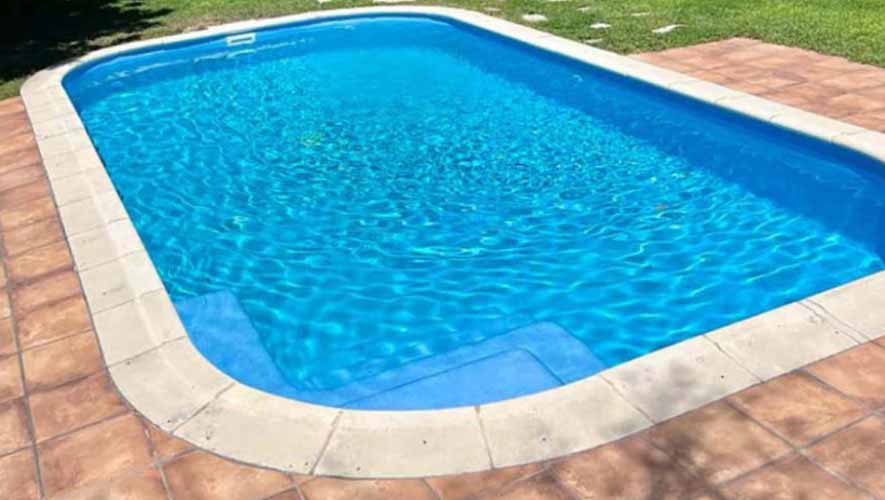
Traditional methods have their advantages:
- Design Flexibility: Gunite allows for fully custom shapes, depths, and features like waterfalls or benches.
- Proven Track Record: Widely used for decades, with many experienced builders available.
- Initial Cost Options: Fiberglass pools can be more affordable upfront and quicker to install.
- Smooth Surface: Fiberglass has a gelcoat finish that’s initially low-maintenance and resistant to algae growth.
However, this comes with drawbacks like higher long-term energy consumption and potential cracking, leading to leaks and water loss.
Why ICF Pools Excel: Key Advantages
ICF pools introduce innovation, eliminating many traditional drawbacks:
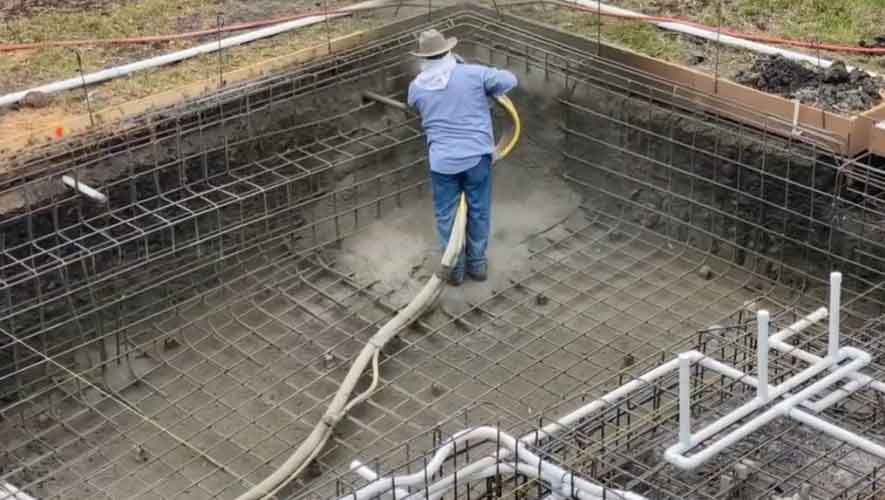
- Superior Energy Efficiency: After pouring concrete, ICF blocks remain in place. This creates built-in polyurethane foam insulation, reducing heat loss by up to 80%. This significantly cuts heating costs and extends the swimming season.
- Faster Construction: ICF blocks assemble quickly like Lego bricks, often completing the shell in a few weeks rather than months.
- Enhanced Durability: The reinforced concrete core better resists ground shifts, extreme weather, and natural disasters.
- Eco-Friendly Design: Lower energy use and recyclable materials reduce your carbon footprint.
- Versatile Customization: Matches gunite’s shape flexibility while providing insulation benefits.
ICF Pools vs Traditional: Head-to-Head Comparison
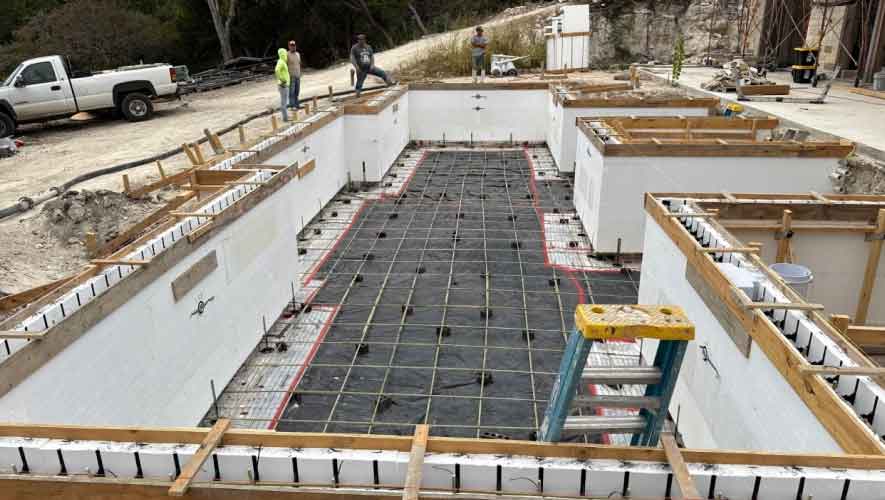
- Cost: Traditional materials (especially fiberglass) may be cheaper initially, but ICF saves money long-term through reduced energy and maintenance costs.
- Construction Time: ICF wins with faster assembly; gunite construction can drag due to long curing times and weather conditions.
- Durability: ICF block walls’ resistance to cracks and shifts often outperforms traditional options.
- Efficiency: ICF pools significantly outperform traditional pools in insulation; traditional pools lose heat quickly.
- Maintenance: Both are relatively low-cost, but ICF’s stability means fewer repairs.
ICF often excels in balanced performance.
Benefits of Thick Reinforced 60 Mil PVC Membrane Lining
For ICF pools (and any others), the best lining is a thick reinforced PVC membrane, such as Cefil 60 mil pool liner:
- Exceptional Durability: Puncture and tear resistance thanks to a polyester mesh core—3–5 times stronger than thinner linings.
- Long Lifespan: 25–30 years of service, with a 10-year warranty.
- Complete Waterproofing: Eliminates leaks even if cracks appear in the pool shell.
- Low Maintenance Costs: Non-porous surface resists algae, stains, and chemicals; easy to clean.
- Energy Savings: Helps retain heat better when combined with ICF insulation.
- Safety Features: Soft, non-slip texture reduces the risk of falls and eliminates scratches.
- Aesthetic Options: Custom colors/textures realistically mimic tile or natural stone.
- Quick Installation: Takes just a few days for an average-sized pool.
- Cost-Effectiveness: Lower lifetime costs compared to repeated replastering.
Which Method is Better?
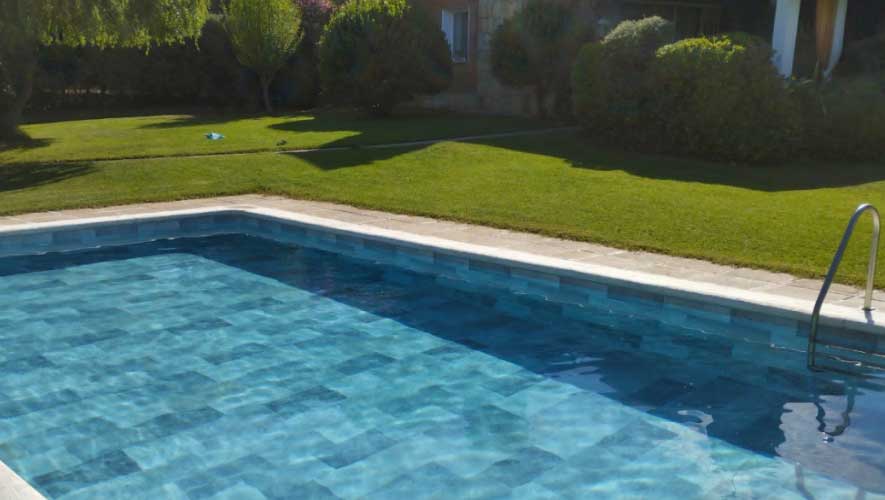
ICF block pools generally outperform traditional construction methods in efficiency, speed, and eco-friendliness, making them the best choice for most modern homeowners. Traditional methods suit ultra-budget or highly specialized projects, but ICF blocks provide superior value in the long run. Combined with 60 mil PVC membranes, this ensures maximum durability and low pool maintenance costs. You can purchase high-quality 60 mil PVC membrane at SAKKO POOL.
Have Questions?
Talk to our specialist! Just fill out the form, and we’ll give you a call!
FAQ
Other articles on this topic
Common Pool Liner Problems: Insights from Reddit Communities
ICF Blocks Compared: Stronghold vs. BuildBlock – Which One Wins?
Common Pool Liner Mistakes to Avoid: Lessons from Real Renovation Projects
Insulated Swimming Pool Benefits: Energy Efficiency and Year-Round Use
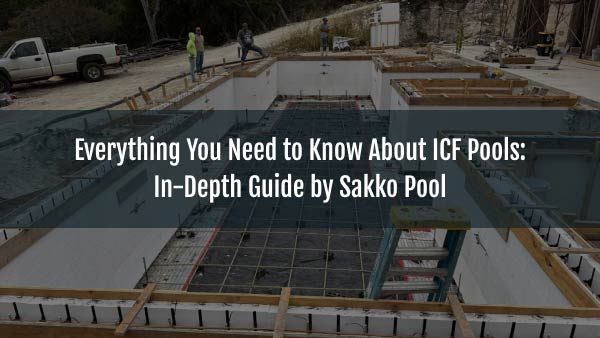
Everything You Need to Know About ICF Pools: In-Depth Guide by Sakko Pool
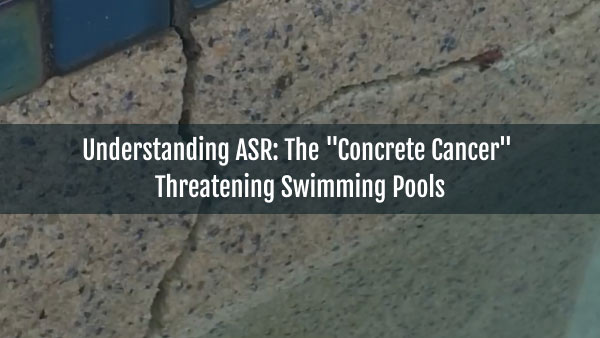
Understanding ASR: The “Concrete Cancer” Threatening Swimming Pools