
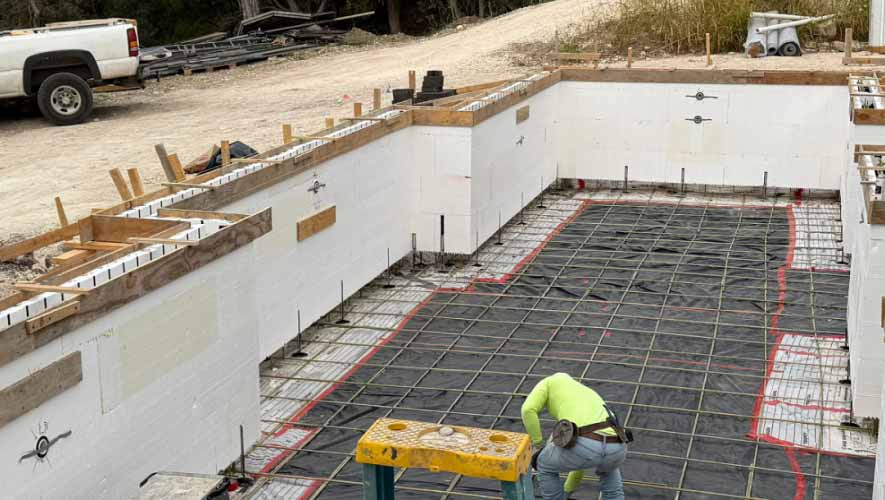
Insulated Concrete Form (ICF) blocks are a game-changer for building in-ground swimming pools, offering several key advantages over traditional concrete methods. These blocks create a strong, insulated shell that enhances energy efficiency, reduces construction time, and improves durability. Specifically for pools, ICFs help maintain water temperature, cutting heating costs by up to 80% and extending the swimming season into cooler months. They also provide superior resistance to ground shifts and freeze-thaw cycles, minimizing cracks and leaks. Plus, ICFs enable a monolithic pool bowl construction, where walls and bottom are poured as one seamless unit for added strength and waterproofing.
For homeowners exploring modern ICF Pool Construction, these systems offer long-term structural integrity and energy savings that traditional concrete simply cannot match. If you’re planning a pool, ICF blocks make the process smarter and more cost-effective in the long run.
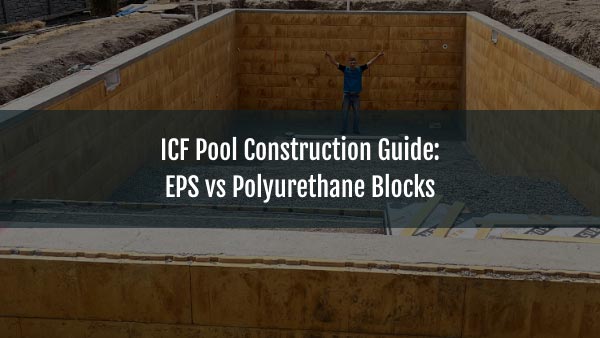
But with brands like Stronghold and BuildBlock leading the market, which is better? We’ll compare them across key parameters: size, weight, cost, color, areas of application, popularity and usage, and varieties. This breakdown uses data from manufacturer specs, industry charts, and user reviews to help you decide. Both are high-quality EPS-based systems, but differences in design and focus can sway your choice.
Size Comparison
ICF blocks come in standard dimensions for easy stacking, but specifics vary:
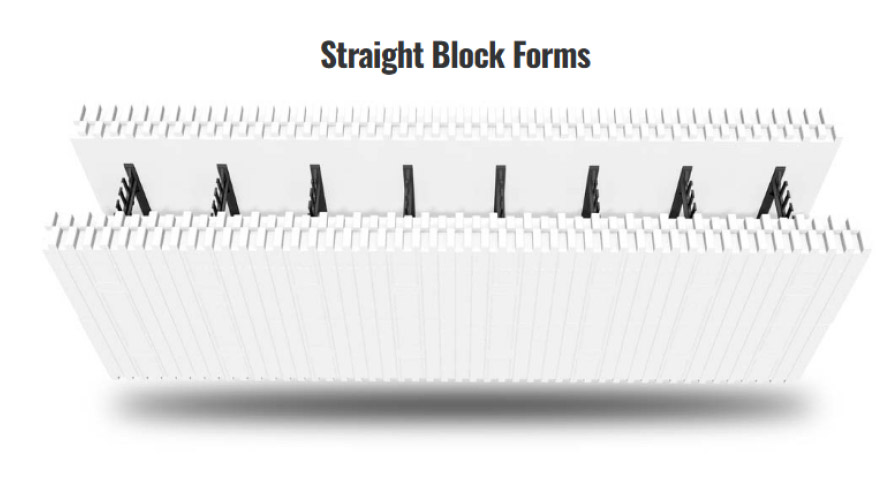
- Stronghold: Standard blocks are 48 inches long and 16 inches high, with core widths from 4 to 12 inches in the FD Series (foldable) and 6 to 8 inches in FX Series (fixed). Half-height blocks are 8 inches tall for precise adjustments.
- BuildBlock: Also 48 inches long and 16 inches high, with core widths of 4, 6, 8, 10, and 12 inches in standard forms. GlobalBlock (all-foam variant) offers 4 and 6 inches, while BuildRadius adds curved options for non-standard shapes.
Weight Comparison
Weight affects handling and shipping—lighter blocks are easier for DIY or small crews:
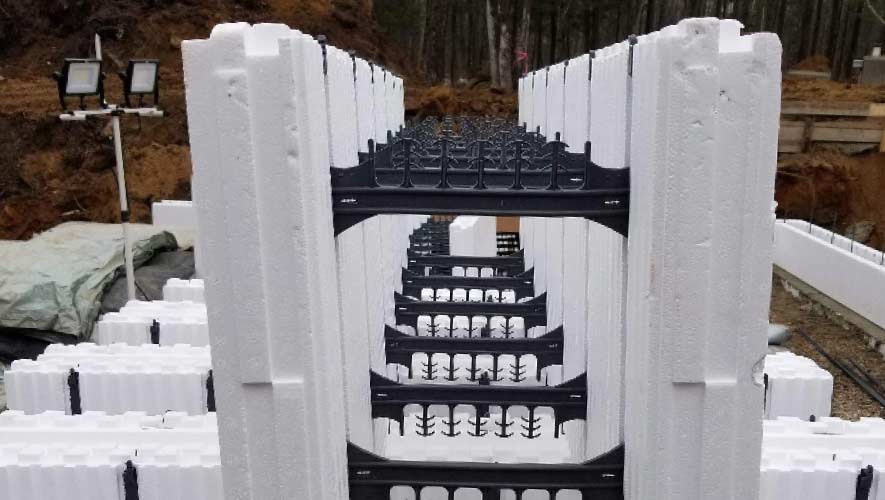
- Stronghold: Around 53 pounds for a full-size block (based on industry charts for similar models), thanks to 2.75-inch EPS foam panels at 1.5 lb/ft³ density. Foldable FD Series reduces transport bulk.
- BuildBlock: Typically 30-40 pounds per block, with 2.5-inch EPS panels. The all-foam GlobalBlock is even lighter, emphasizing ease for international or light commercial use.
BuildBlock edges out for portability, ideal for pool sites with limited access.
Cost Comparison
Pricing fluctuates by region and quantity, but estimates show:
- Stronghold: Mid-range, with blocks at $5-10 per square feet. Full wall sections (e.g., 4×8) around $260-330 including concrete fill. Premium for fire-retardant features, but overall competitive for quality.
- BuildBlock: Similar, $5-10 per square feet, with wall sections like $260-330 for 4×8 (from user videos).
Both are affordable, but BuildBlock’s variants offer better value for pool-specific needs like radii.
Color Comparison
Color is mostly functional, indicating foam type:
- Stronghold: White or gray EPS foam, with a bead-like texture for grip during install.
- BuildBlock: Primarily white EPS, smooth finish for easy stacking. Some variants like GlobalBlock may have slight tints, but standard is neutral.
There are no significant differences in appearance.
Areas of Application
ICF blocks excel in various builds, but strengths differ:
- Stronghold: Best for straight walls in residential/commercial buildings, fire-prone areas (high ratings), and general construction. Suitable for pools but focuses on fire protection and straight builds.
- BuildBlock: Versatile for homes, basements, and especially pools with BuildRadius for curves. Emphasizes disaster resilience and energy efficiency, popular for monolithic pool bowls.
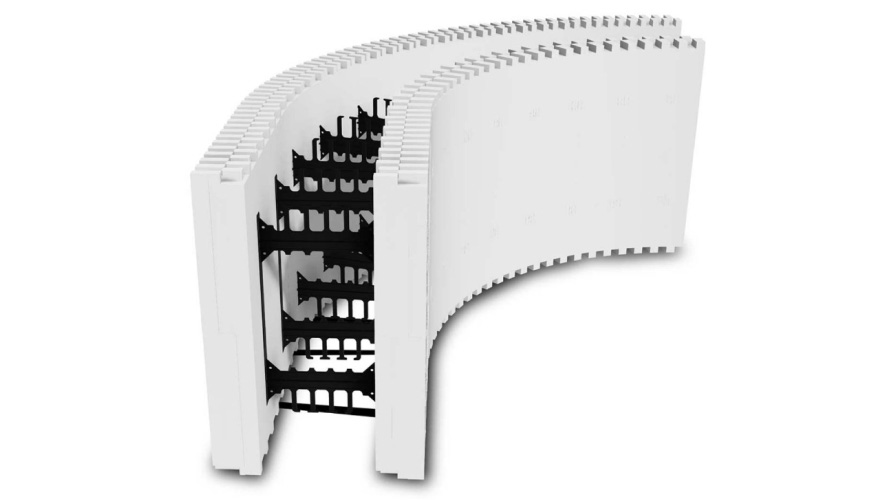
BuildBlock has a pool edge due to specialized accessories. Many contractors looking for an experienced ICF Block Pool Builder prefer systems that support curved designs and seamless structural pours.
Popularity and Usage
Based on reviews and mentions:
- Stronghold: Praised in comparisons for straight walls and fire safety (UL-rated). Used in housing, gaining traction in wildfire zones. Popularity growing but less pool-focused.
- BuildBlock: Highly popular in the ICF community (YouTube reviews, charts), especially for pools (dedicated guides). Wider usage in residential and light commercial, with strong user feedback on ease.
BuildBlock seems more widespread for diverse applications.
Varieties Comparison
Varieties cater to different needs:
- Stronghold:
- FX Series: Fixed webs, 6-8 inch cores for standard walls.
- FD Series: Foldable, 4-12 inch cores for compact shipping.
- Accessories: Half-height blocks, corner ties.
- BuildBlock:
- Standard: 4-12 inch cores for straight forms.
- BuildRadius: Curved arcs (2-20 ft) for pools.
- GlobalBlock: All-foam, 4-6 inches for cost savings.
- BuildLock: Knockdown for custom fits.
BuildBlock offers more pool-oriented varieties.
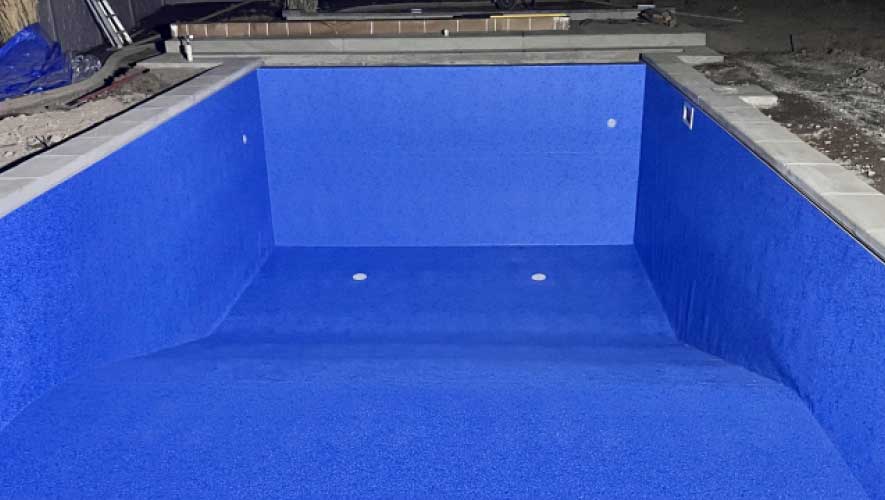
In conclusion, neither is “best” overall — Stronghold is great for fire safety and straight sections, while BuildBlock is excellent for curved pools and provides high efficiency. For in-ground pools, BuildBlock, with its radius options and the ability to create monolithic structures, is the best choice.
Want to get a pool, but have a bunch of questions? Then head to SAKKO POOL, a licensed pool builder with years of experience.
Have Questions?
Talk to our specialist! Just fill out the form, and we’ll give you a call!
FAQ
Other articles on this topic
Common Pool Liner Mistakes to Avoid: Lessons from Real Renovation Projects
Insulated Swimming Pool Benefits: Energy Efficiency and Year-Round Use
ICF Pools vs Traditional Pool Construction: Which Method is Better?
Everything You Need to Know About ICF Pools: In-Depth Guide by Sakko Pool
Understanding ASR: The “Concrete Cancer” Threatening Swimming Pools