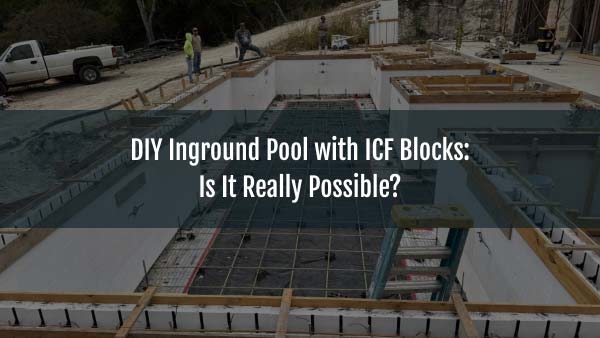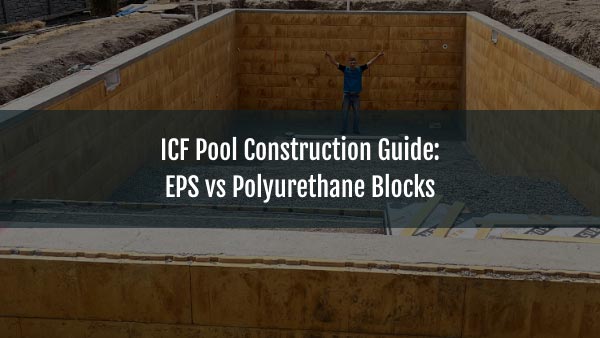
Florida residents know how much joy a backyard pool brings—refreshing swims on scorching days, family get-togethers, and that perfect slice of paradise right at home. But with rising energy prices, intense summer heat, humid winters, and the constant struggle to keep the water at the right temperature, many people ask: Is there a smarter way to build or upgrade a pool without seeing utility bills spike? Modern ICF Pool Construction offers a smarter, energy-efficient approach by combining insulated concrete forms with advanced waterproof materials.
The answer lies in combining ICF blocks (Insulated Concrete Forms) with thick reinforced PVC membranes (such as Cefil 60 mil pool liner). This modern approach creates pools that are not only stronger and faster to build but also far more energy-efficient—potentially cutting heating and maintenance costs by 50-70% compared with traditional gunite or fiberglass pools. Whether you’re dreaming of your first backyard pool or already own one and want to lower ongoing expenses, this combination delivers real savings, hurricane-resistant strength, and low-maintenance luxury perfectly suited to Florida’s unique climate. Let’s take a closer look at why ICF blocks paired with thick PVC membranes are becoming the top choice for smart pool owners across the state.
Why Energy Efficiency Matters for Florida Pools
Florida’s year-round sunshine is a true gift, but it also brings challenges. In cooler months, pools lose heat quickly through uninsulated walls (think January nights when temperatures drop to the 50s Fahrenheit), while summer heat and humidity cause water to warm up too fast or demand extra pumping and chemicals. Traditional concrete pools can lose up to 80% of their heat through the walls and floor because the ground pulls warmth away faster than air. Add high electricity rates plus the cost of heaters, pumps, or even solar systems, and monthly utility bills can easily jump by hundreds of dollars.
ICF pools with thick PVC membranes change everything. The built-in expanded polystyrene insulation in ICF blocks acts like a thermal blanket around the entire pool shell. Combined with a thick PVC membrane that also provides excellent thermal protection, the system minimizes temperature swings, reduces the need for heaters, and lowers spending on chemicals and cleaning. Homeowners report saving $500–$700 a year on heating alone, with overall utility reductions of 50–70% compared with conventional builds.
What Are ICF Blocks and How Do They Boost Efficiency?
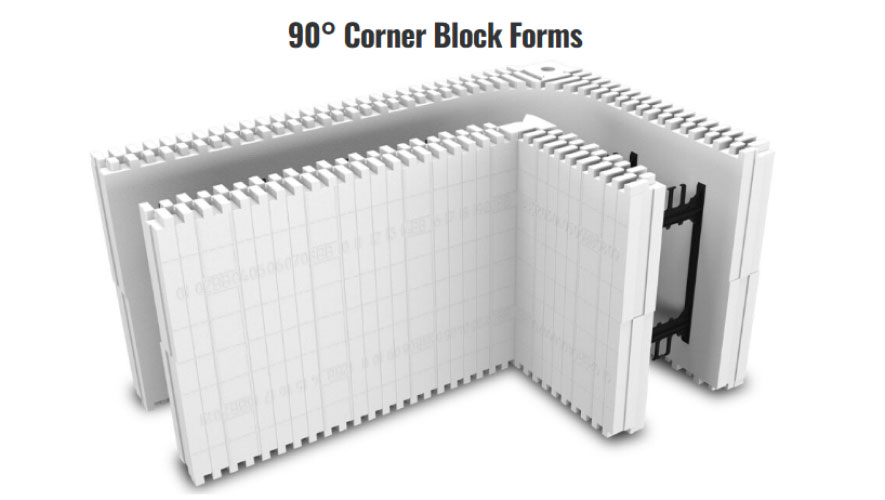
ICF blocks are hollow expanded-polystyrene forms stacked like giant Lego bricks, reinforced with rebar, and filled with concrete. Once the concrete hardens, the foam stays in place, forming a super-insulated wall with no thermal bridges. For pools, this means:
- Superior insulation: 60-80% less heat loss than standard concrete.
- Hurricane resistance: Steel-reinforced concrete walls handle strong winds and shifting sandy Florida soils better than gunite.
- Faster construction: Pools can be completed in 4-6 weeks (for average sizes) instead of months with traditional methods.
- Long-term durability: No cracking from ground movement, and the insulation extends the swimming season.
In Florida, where high groundwater levels and storms are common, ICF blocks deliver peace of mind while keeping water temperatures stable—warmer in winter and cooler during the height of summer heat.
The Role of Thick Reinforced PVC Membranes
The interior finish is just as important. Thin vinyl liners fade and tear quickly under Florida’s UV rays, but 60-mil reinforced PVC membranes (three times thicker than standard liners) provide a flexible, waterproof surface with built-in UV stabilizers and antimicrobial coatings. When installed over ICF walls (often with a geotextile cushion), the thick PVC membrane:
- Creates a smooth, fully sealed surface.
- Resists algae, stains, and chemicals, cutting maintenance costs by 15-20%.
- Adds an extra layer of thermal protection and underfoot comfort.
- Lasts 20-30 years, unlike plaster that needs frequent repairs.
The ICF + PVC combination is ideal: the blocks deliver structural insulation and strength, while the membrane provides beauty, easy care, and additional efficiency.
Key Benefits of Integrating ICF Blocks and Thick PVC Membranes
Here are the main advantages pool owners gain with ICF blocks and thick reinforced PVC membranes:
- Major utility savings: 50-70% reduction in heating costs (up to $700 per year) thanks to polystyrene foam insulation that blocks 80% of ground heat loss. Less dependence on electric or gas heaters means lower bills all year long.
- Extended swimming season: Water stays warmer longer in cooler months and cooler in summer, letting you enjoy the pool more without constant temperature adjustments.
- Reduced maintenance costs: The non-porous PVC surface means fewer chemicals (just $500–$1,000 a year total) and simpler cleaning—no need to scrub or replace porous plaster.
- Hurricane-resistant strength: The steel-reinforced ICF core plus flexible, durable PVC handles storms, soil shifts, and Florida’s tough conditions far better than fiberglass or gunite.
- Quick and affordable construction: Build time of 4–6 weeks (depending on size) and total costs often $60,000–$90,000—comparable to traditional pools but with much greater long-term value.
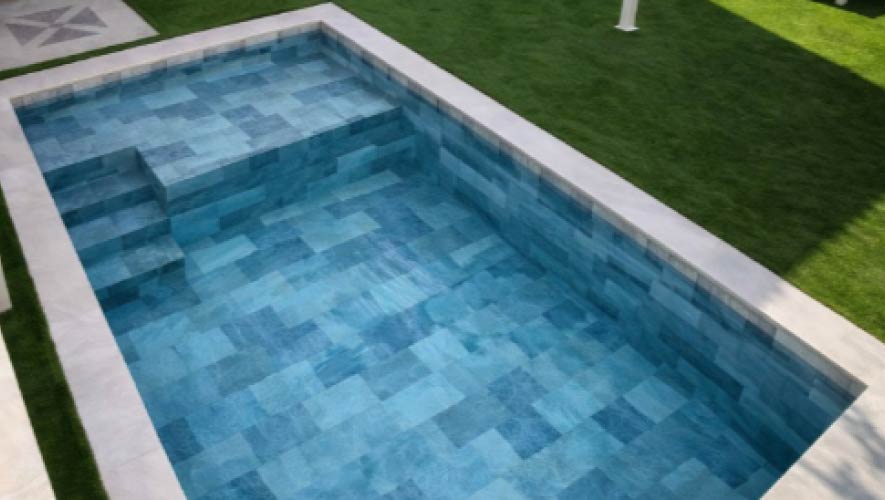
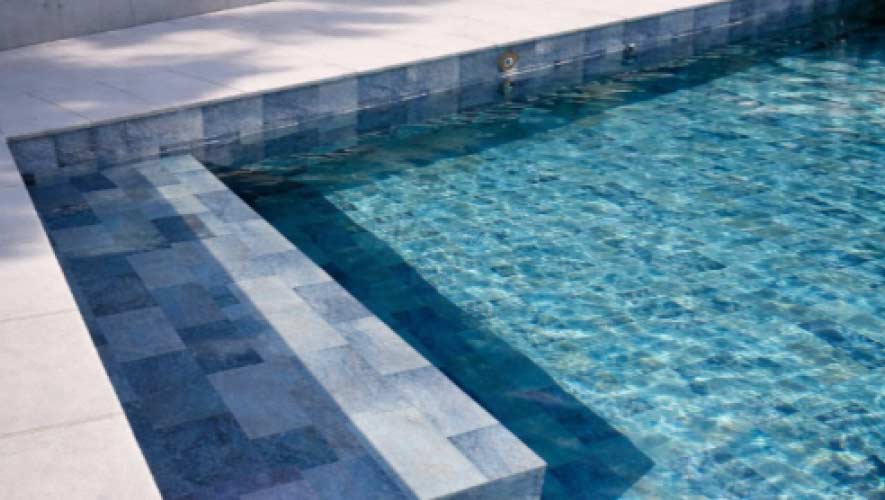
- Design freedom: PVC membranes come in tile, natural stone, or marble patterns so you can customize the look exactly as you want.
- Eco-friendly bonus: Lower energy use reduces your carbon footprint, and durable materials mean fewer repairs and replacements.
For pool owners planning a remodel: Many older concrete or fiberglass pools can be upgraded by installing a thick PVC membrane (with minimal demolition), instantly adding leak protection and easier upkeep.
Practical Tips for Florida Homeowners
Planning a new pool or upgrade? Keep these points in mind:
- Choose the right ICF brand: Options like BuildBlock or Stronghold perform well in Florida soil; your builder can select the best one for local conditions.
- Eco-friendly bonus: Use efficient equipment—add variable-speed pumps, solar water heaters, or heat pumps to maximize pool savings.
- Budget for long-term gains: Upfront costs may be similar to traditional pools, but you’ll recoup them over 20+ years through lower bills and no plaster repairs.
- Partner with local experts: Companies specializing in ICF and thick PVC membranes in Florida know local building codes, permitting processes, and weather challenges.
Real Florida families are already seeing results: Waterpark owners and homeowners who switched to this system report cutting maintenance time in half while keeping beautiful pools that stay inviting despite the blazing sun.
Is This the Right Choice for Your Backyard?
Whether you’re a first-time dreamer or an existing owner ready to cut costs and upgrade, combining ICF blocks with thick PVC membranes creates a pool that’s perfectly suited to Florida—strong, beautiful, and surprisingly affordable to run.
This combination not only saves money but also gives you more time to enjoy crystal-clear water instead of worrying about repairs. Ready to make your backyard truly energy-efficient?
Contact a Florida builder such as SAKKO POOL, the official U.S. representative for Cefil 60 mil membranes and an experienced ICF pool builder. Their specialists will help design a custom project that fits your budget and lifestyle. Invest today in an ICF and thick reinforced PVC membrane pool, and enjoy lower energy bills and warm water for decades to come.
Have Questions?
Talk to our specialist! Just fill out the form, and we’ll give you a call!
FAQ
Other articles on this topic
Common Pool Restoration Mistakes and How Thick PVC Membranes Fix Them in Florida Homes
Why a 60-Mil PVC Pool Liner Outperforms Thin Pool Liners in Sunny Climates
Common Pool Liner Problems: Insights from Reddit Communities
ICF Blocks Compared: Stronghold vs. BuildBlock – Which One Wins?
Common Pool Liner Mistakes to Avoid: Lessons from Real Renovation Projects
Insulated Swimming Pool Benefits: Energy Efficiency and Year-Round Use