Florida’s sunny skies and mild weather make backyard pools an essential part of life for many homeowners. But due to the intense heat, humidity, salty coastal air, and occasional hurricanes, pools here face unique challenges. Over time, wear and tear can turn your oasis into a headache, leading to expensive restoration. Many homeowners who originally worked with ICF Pool Builder appreciate how durable these structures are, but even the strongest pools eventually require renovation or surface upgrades. Unfortunately, many DIY enthusiasts and even some professionals make mistakes during renovations that worsen the problems.
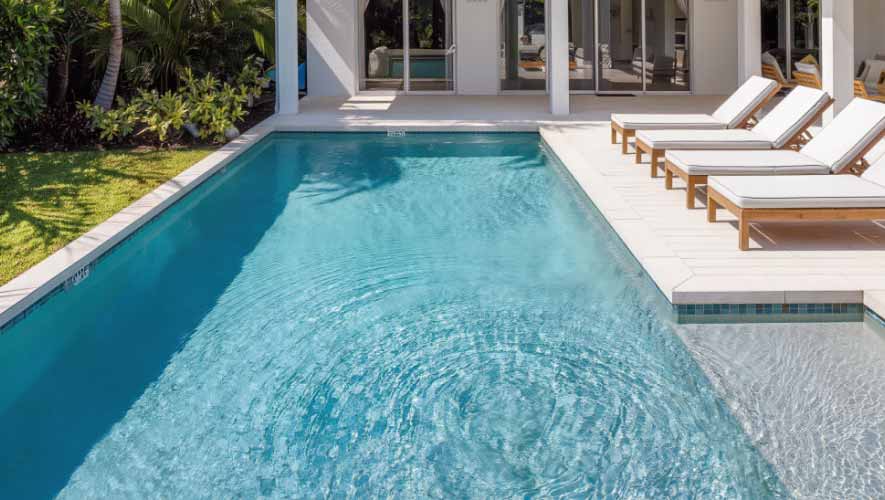
Thick reinforced PVC membranes—like Cefil 60 mil pool liner—offer a smart and durable solution to these issues. These membranes, often used in commercial and residential pools, seal leaks, resist damage, and extend your pool’s lifespan without the hassles associated with traditional materials. In this article, drawing on expert insights and real-world examples, we’ll explore the most common pool restoration mistakes Florida homeowners encounter. We’ll also explain how switching to a thick PVC membrane can solve these problems, saving you time, money, and nerves. Whether you’re dealing with cracks from soil shifts or fading from relentless ultraviolet rays, this solution could be your pool’s best friend.
Why Florida Pools Need Special Attention
Before moving on to the mistakes, let’s outline the situation. Florida’s climate is harsh on pools: high groundwater levels, sandy soil that shifts easily, and extreme weather conditions, from hurricanes to daily thunderstorms.
Concrete pools crack here, fiberglass warps, and plaster breaks down faster than in milder climates. Restoration isn’t just cosmetic—it’s essential for safety and efficiency. Traditional methods, like replastering or tiling, often fail quickly, but thick reinforced 60 mil PVC membranes create a waterproof barrier that’s flexible, UV-resistant, and easy to install over existing surfaces.
Common Restoration Mistakes and Their Fixes
Based on advice from pool professionals across Florida, we’ll look at the main renovation mistakes. We’ll break them down with practical tips and show how thick PVC membranes come to the rescue.
Poor Surface Preparation: Rushing the Prep Work
One of the biggest mistakes is skimping on preparing the old pool surface. Homeowners or contractors might not fully remove old plaster, fill cracks, or smooth rough spots, leading to premature failure of the new finish. In Florida’s humid climate, moisture trapped under new materials causes bubbling, peeling, or mold. This mistake can turn a simple restoration into a full redo within a year.
These membranes don’t require perfect preparation. A geotextile underlayment cushions irregularities, and the 60 mil (1.52 mm) thick PVC membrane seals any potential cracks. Using a geotextile underlayment also gives the finish a pleasant, comfortable softness.
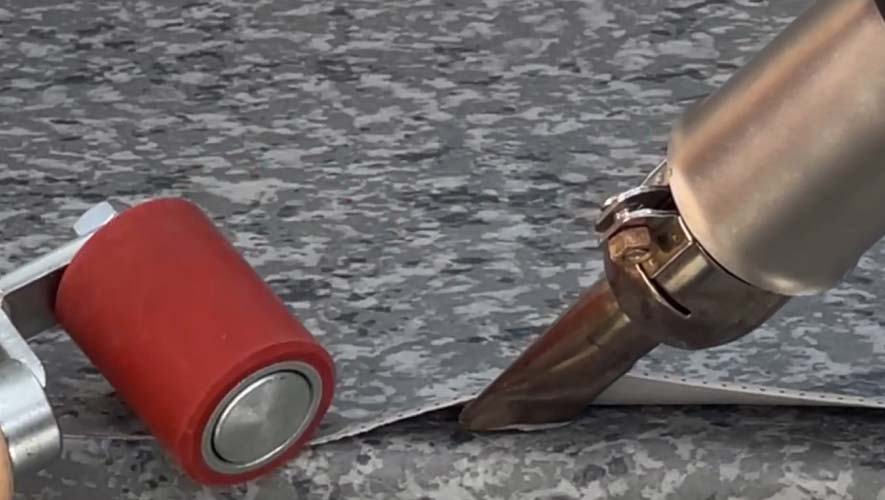
Installers cut and weld strips of PVC membrane on-site for a custom fit, creating a waterproof barrier that lasts 20+ years—even in Florida’s heat. No sandblasting or major demolition is needed, reducing labor costs by up to 50%.
Ignoring Structural Issues Like Cracks or Leaks
Many overlook underlying problems, such as soil shifts causing uneven floors or cracks in the pool shell.
In South Florida, limestone soils and high groundwater levels exacerbate this, leading to persistent leaks that result in water loss and higher utility bills. Fixing the surface without addressing structural issues? That’s like putting a band-aid on a broken bone—it won’t hold.
The reinforcing polyester mesh in 60 mil thick membranes makes them flexible yet strong, bridging cracks without tearing. They provide 100% watertightness, even if the soil shifts during a storm. For older pools in Florida, this means no more draining the water for repairs; the membrane installs over the existing shell, instantly stopping leaks and preventing new ones.
Choosing the Wrong Materials or Cutting Costs
Choosing cheap plaster, thin vinyl liners (20-27 mil), or low-quality tiles often backfires. These materials fade under Florida’s UV rays, crack from heat, or corrode from salty air. Homeowners might save upfront but face frequent repairs—like stains from minerals or algae thriving on porous surfaces.
60 mil membranes are three times thicker than standard vinyl, containing UV stabilizers and antimicrobial coatings that prevent fading, algae growth, and chemical damage. In Florida’s sunny climate, they maintain color and smoothness for decades, reducing chemical use by 30-50%.Plus, they’re lightweight, reducing stress on shifting soils, and come in stylish patterns mimicking tile and natural stone, without grout issues.
Poor Drainage and Overlooking Weather Prep
Improper drainage around the pool leads to flooding, erosion, or water seeping into the structure—a common issue in Florida during the rainy season.
Neglecting hurricane-proofing measures, like reinforcing plumbing or engineering checks, can cause major damage during storms.
These membranes create a waterproof envelope that withstands heavy rains and gusty winds. Their flexibility allows them to handle freeze-thaw cycles (rare but possible in North Florida) and soil shifts, while anti-slip textures enhance safety.
Underestimating Timeline, Budget, or Maintenance Needs
Renovations often drag on due to unexpected issues, like hidden leaks or weather delays.
Neglecting post-restoration care, like balancing water chemistry, leads to quick deterioration in Florida’s hard water.
Installation is quick—often days, not weeks—since the membrane installs over existing surfaces without major demolition work. Long-lasting, non-porous PVC reduces maintenance costs: easier cleaning, fewer chemicals, 20+ year lifespan. Over 20 years, you’ll avoid 3-4 replacements of thinner materials, saving thousands of dollars.
Real-World Wins in Florida
Take Florida waterparks or Olympic pools, for example: They’ve switched to 60 mil PVC membrane for lazy rivers and competition pools, significantly reducing leaks and downtime.
Homeowners report cutting maintenance time in half, with pools staying vibrant despite the sun.
One family in Tampa avoided a full rebuild by laying a thick PVC membrane over their old leaky pool, turning it into a pet paradise.
Wrapping Up: Is Thick PVC Right for Your Florida Pool?
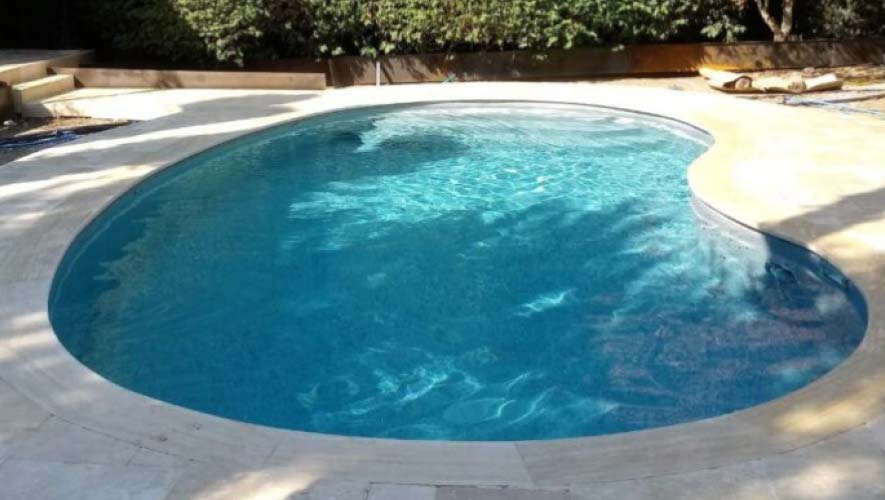
Restoring a pool in Florida doesn’t have to be a nightmare. By avoiding these common mistakes and choosing a thick reinforced PVC membrane, you get a durable, low-maintenance upgrade that stands up to the state’s harsh conditions. It’s not just a fix—it’s an investment in endless summer fun. If your pool shows signs of cracks or fading, consult with SAKKO POOL, which specializes in installing such membranes in Florida. Your backyard oasis awaits!
Have Questions?
Talk to our specialist! Just fill out the form, and we’ll give you a call!
FAQ
Other articles on this topic
Why a 60-Mil PVC Pool Liner Outperforms Thin Pool Liners in Sunny Climates
Common Pool Liner Problems: Insights from Reddit Communities
ICF Blocks Compared: Stronghold vs. BuildBlock – Which One Wins?
Common Pool Liner Mistakes to Avoid: Lessons from Real Renovation Projects
Insulated Swimming Pool Benefits: Energy Efficiency and Year-Round Use
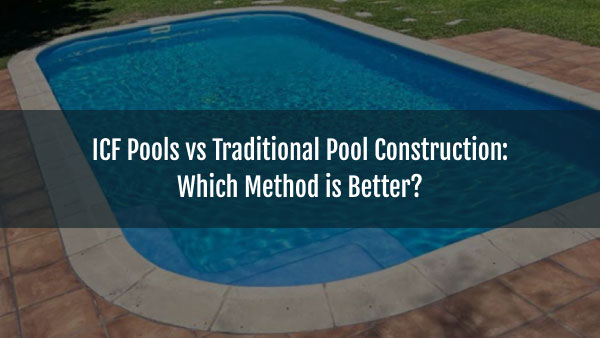
ICF Pools vs Traditional Pool Construction: Which Method is Better?