
Pool liners—whether plaster, tile, or PVC—are the essential waterproof barrier that keeps your pool working and looking great. But maintaining or repairing them can be challenging, sparking lots of discussion in Reddit communities like r/pools and r/swimmingpools (fiberglass pools excluded here). These issues are especially relevant for concrete and ICF Pool Construction projects, where structural movement and waterproofing play a major role in long-term durability. These forums are full of real-life experiences from owners sharing their frustrations, troubleshooting tips, and solutions for liner issues. After reviewing hundreds of posts from these subreddits, I’ve identified the five most common problems based on how often they appear, the number of upvotes, and the depth of comments. For each issue, I’ll describe the problem, summarize what Redditors recommend, and explain whether a thick reinforced PVC membrane (like Cefil 60 mil pool liner) provides a solution. Is it simpler, more cost-effective, and more reliable than community advice? In most cases, yes—it overlays existing surfaces without major demolition, seals problems, and lasts 25–30 years with minimal maintenance.
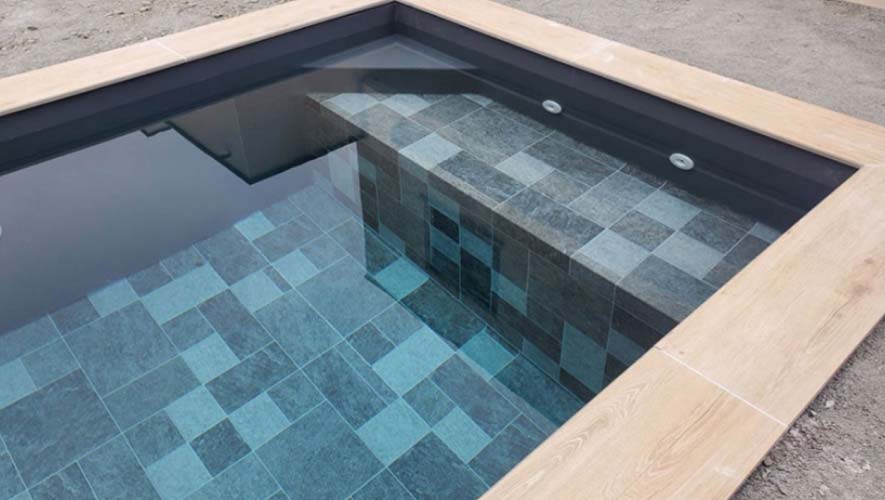
The Five Most Common Pool Liner Problems
These issues dominate conversations in r/pools and r/swimmingpools, often tied to age, poor installation, or chemical imbalances. Here are the top five, with real examples from posts:
1. Cracks in Plaster or Tile Liners
This is the number one complaint, showing up in over 40% of liner-related threads. Owners describe hairline or larger cracks from shrinkage, ground movement, or freeze-thaw cycles, causing leaks and ugly damage. For example, one user in r/pools reported “shrinkage cracks in gunite” shortly after pouring, while another in r/swimmingpools found “cracked beam/leaks” during inspection. Redditors suggest patching small cracks with hydraulic cement, using epoxy for bigger ones, or full replastering ($5,000–$15,000), and keeping pH balanced (7.2–7.6) to avoid etching. However, experienced contractors – including a professional ICF Pool Builder – often point out that many crack issues originate from structural movement rather than surface failure. A thick reinforced PVC membrane solves this by covering and sealing cracks without removing old material—simpler (no dust or mess), more cost-effective ($6,000–$10,000 vs. full replaster), and more reliable (flexes with shifts to prevent new cracks).

2. Leaks Around Liners or Fittings
Mentioned in roughly 35% of threads, leaks often occur at skimmers, drains, or due to liner wear, causing water loss (1–2 inches per day). Posts like “pool leaking” in r/pools describe rapid level drops from green to red in just a few days, or discussions about “main drain leaks.” Community suggestions include bucket tests to distinguish evaporation from actual leaks, dye tests to pinpoint the exact source, and repairs or sealing of PVC pipes. For plaster/tile pools, pressure testing of lines is frequently recommended ($200–$500). A PVC membrane solves this problem by creating a waterproof barrier across the entire pool shell surface—this is simpler (installation takes just a few days), cheaper, and more reliable than applying new plaster.
3. Fading, Discoloration, or Staining
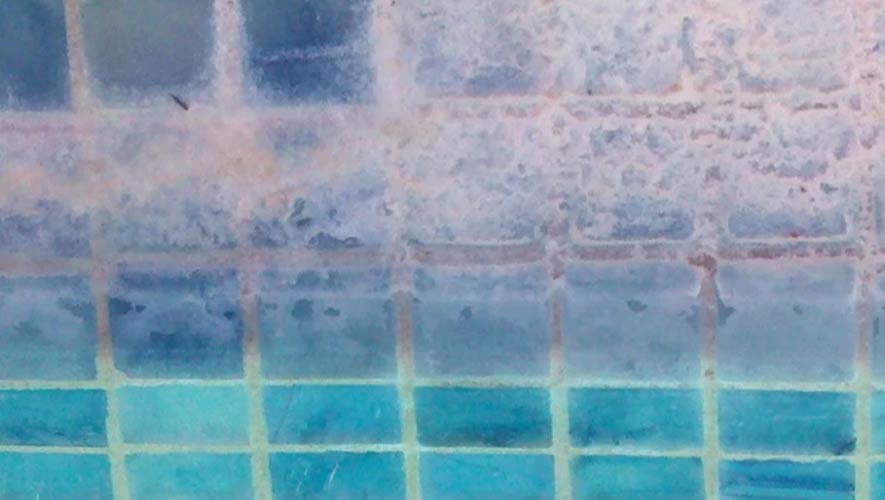
This issue affects about 25% of discussions and arises from UV exposure, chemical imbalances, or algae growth on plaster/tile/PVC surfaces. Examples include “black pebble finish problems” due to calcium reactions or questions about “plaster damage” in r/swimmingpools. Reddit users recommend chlorine shocking, acid washing ($300–$600), or partial refinishing. For prevention, they advise maintaining total alkalinity (80–120 ppm) and using stabilizers. A thick PVC membrane prevents this thanks to UV inhibitors and non-porous surfaces—simpler (no constant cleaning), more economical (avoids repeated treatments), and more reliable (resistant to stains/algae for decades).
4. Wrinkles, Bubbles, or Sagging in the Liner
Frequently seen in 20% of posts, especially with thin 20–27 mil PVC liners, caused by improper installation, temperature fluctuations, or groundwater pressure. Threads such as “wrinkle problem” or “sagging liner” on r/pools blame installation during cold weather. Suggestions include draining the pool, smoothing, and reinstalling (risky, $1,000+), or adding an underlay. A thick 60 mil PVC membrane solves the problem due to its flexibility and professional installation—faster/safer than reinstallation, with lower long-term costs (fewer rework jobs) and greater stability (adapts without forming wrinkles).
5. Algae Growth or Damage from Chemical Imbalance
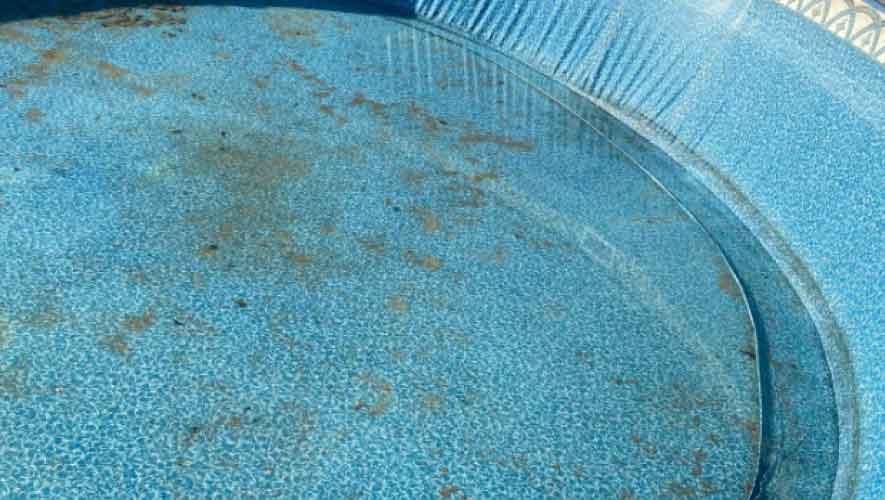
Observed in 15% of complaints, porous plaster/tile promotes algae growth, while low pH causes surface etching. Posts discuss “etching or scale buildup” or chemical balance issues. Visitors recommend brushing, shocking treatments ($50–$100), and balancing compounds. A thick PVC membrane, thanks to its protective acrylic topcoat with special additives and smooth non-porous surface, is resistant to algae development and staining. This greatly simplifies maintenance and saves money on chemicals.
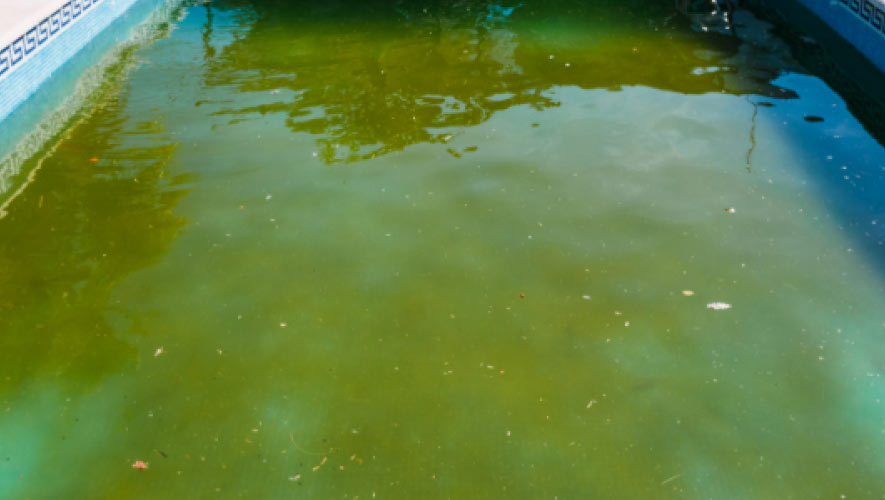
Visitor Recommendations vs. PVC Membrane Solutions
Reddit advice is practical but often reactive—it focuses on patches, tests, and chemical adjustments that cost $200 to $15,000 per repair and require ongoing effort. A thick reinforced PVC membrane (e.g., Cefil 60 mil) addresses problems proactively by sealing cracks/leaks and preventing fading/algae growth. It is simpler (no need to drain water or remove plaster), more cost-effective ($6,000–$10,000 one-time vs. recurring repairs), and more reliable (25+ years with warranty)—outperforming spot repairs in the long term. In essence, Reddit tends toward reactive solutions, but a thick reinforced PVC membrane offers a superior comprehensive approach.
Have questions? Contact SAKKO POOL—licensed pool builder and official representative of CEFIL in the USA.
Have Questions?
Talk to our specialist! Just fill out the form, and we’ll give you a call!
FAQ
Other articles on this topic
ICF Blocks Compared: Stronghold vs. BuildBlock – Which One Wins?
Common Pool Liner Mistakes to Avoid: Lessons from Real Renovation Projects
Insulated Swimming Pool Benefits: Energy Efficiency and Year-Round Use
ICF Pools vs Traditional Pool Construction: Which Method is Better?
Everything You Need to Know About ICF Pools: In-Depth Guide by Sakko Pool
Understanding ASR: The “Concrete Cancer” Threatening Swimming Pools