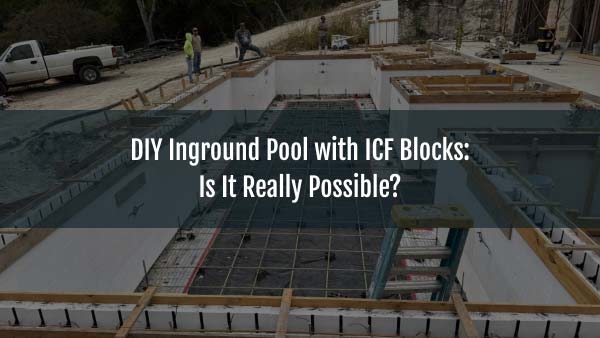
If you’ve ever looked at your backyard pool and thought it needed a refresh, you’re not alone. Renovating a pool liner can breathe new life into your oasis, but it’s easy to make mistakes if you’re not careful. From choosing the wrong materials to skimping on preparation work, errors can turn a simple repair into a costly headache. In this article, we’ll explore typical mistakes, drawing on real renovation stories heard from homeowners and professionals. Whether you’re doing the work yourself or hiring a company specializing in ICF Pool Construction, these lessons will help you avoid regrets and enjoy flawless swimming.
Why Pool Liner Renovations Go Wrong: The Basics
The pool liner is the waterproof barrier that holds the water in and keeps your pool in excellent condition. But during renovation, many people overlook key details, leading to leaks, fading, or premature replacement. Based on industry analysis and user experience, here are some common mistakes:
- Choosing the Wrong Thickness: Selecting thin films (for example, vinyl 20-27 mil) to save on initial costs. Such films wear out in 5-7 years from UV exposure and chemicals, with a high risk of punctures and tears that further shorten their lifespan. In contrast, thick reinforced options like a 60 mil pool liner do not have these drawbacks. Premium membranes such as the Cefil 60 mil liner can last 20+ years with proper installation. Real example: A Florida homeowner saved $500 on the initial replacement but spent $3,000 just three seasons later.
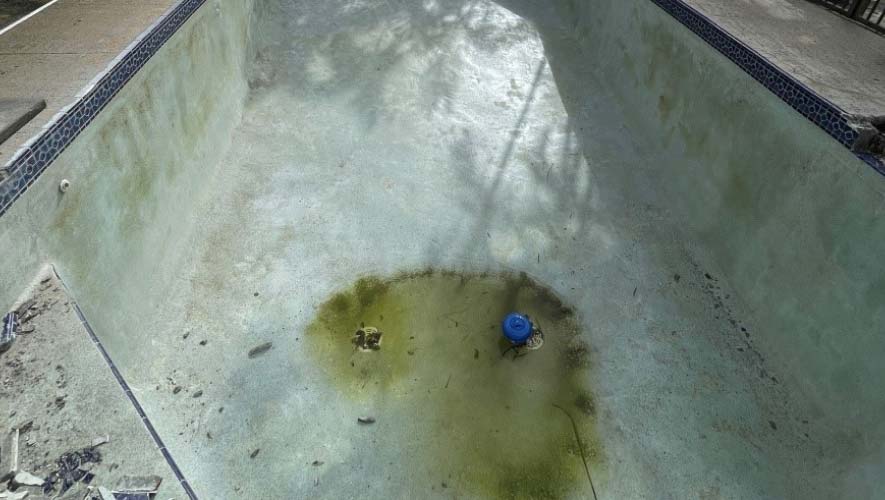
- Ignoring Surface Preparation: Skipping cleaning or repairing the old surface. Dirt, cracks, or unevenness lead to bubble formation and tears. One project in Texas failed because remnants of old plaster poked holes in the new thin vinyl film within a few months.
- Incorrect Measurements and Fitting: Self-installation of thin vinyl can lead to wrinkles or gaps. Water seeps in, promoting algae growth and structural damage. In California, an enthusiast doing self-installation had the film sag, and professional repair was required, costing twice the original budget. This is exactly where working with an experienced ICF Pool Builder makes a difference.
- Neglecting Climate Factors: Using materials not resistant to UV radiation in sunny regions or inflexible materials in areas with freeze-thaw cycles. For example, thin vinyl liner cannot be installed at temperatures below 60 °F due to the risk of micro-cracks and tears. Ignoring this requirement leads to rapid fading of the liner in southern states or cracking—a common phenomenon in northern states where winters are harsh and destructive.
- Ignoring Warranty Conditions: Installation without certified specialists voids warranty obligations. Many learn this from their own bitter experience when compensation is denied due to “improper installation.”
By avoiding these mistakes, you ensure a trouble-free repair and pool readiness.
Lessons from Real Renovation Projects
Nothing teaches better than real life. Here are anonymous stories from real projects showing what went wrong and how to fix it:
Project 1: Budget Buster in Arizona
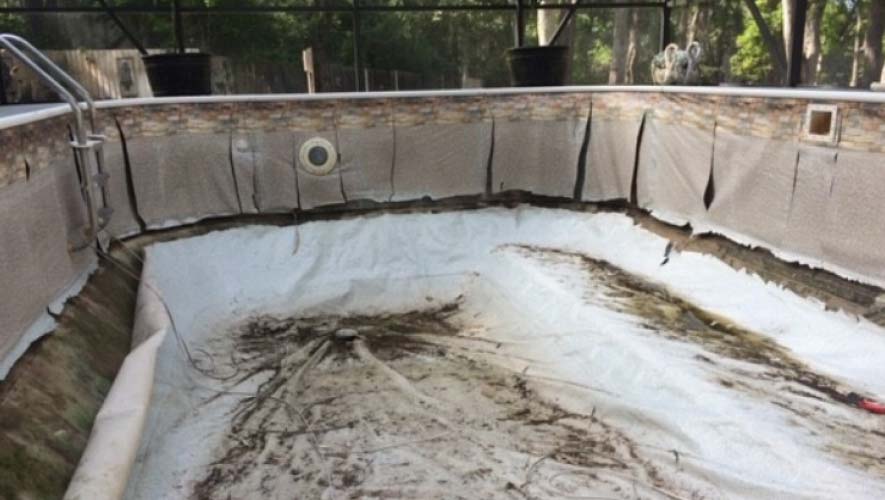
A couple chose cheap vinyl lining for their concrete pool to cut expenses. Mistake: lack of geotextile underlay, which led to punctures from sharp concrete protrusions. Within a year, leaks emptied the pool, costing $4,000 for water and repair. Lesson: always add underlay—it’s cheap insurance that also adds certain comfort, making the pool bottom and walls softer. They switched to reinforced PVC membrane 60 mil thick, which has been serving for five years already.
Project 2: Wrinkle Problems in Michigan
Homeowners independently installed thin vinyl inserts in cool fall weather. Mistake: thin material wrinkled due to temperature fluctuations, trapping dirt and algae. Cleaning turned into a nightmare, and replacement was required after two winters. Conclusion: use flexible, thick inserts such as PVC membrane 60 mil thick, which tolerates temperature changes well, and install them in moderate weather.
Project 3: Failure in New York
A family hired a cheap contractor who rushed the job, ignoring quality checks of welded seams. Result: seams came apart, leading to flooding and $10,000 in damage. Key conclusion: check certificates and insist on compliance with technology.
These stories show that small oversights lead to big bills—plan ahead!
Pro Tips for a Successful Liner Renovation
Here’s how to avoid troubles:
- Choose Quality Materials: Give preference to reinforced PVC membrane 60 mil thick—it is resistant to punctures, ultraviolet radiation, and elastic, significantly superior in durability and practicality to thinner analogs.
- Prepare Thoroughly: Make sure the pool shell has no defects that could damage the PVC liner; use underlays (geotextile) for cushioning. Its use also improves thermal insulation.
- Consider the Environment: Choose liners suitable for the climate; add insulation to increase thermal efficiency.
- Trust Professionals: If you are not a professional builder and have never been involved in installing a liner in a pool, do not risk doing it yourself. Savings from this are illusory, and the risks are high. In addition to losing the warranty, the costs of correcting errors can be excessively high.
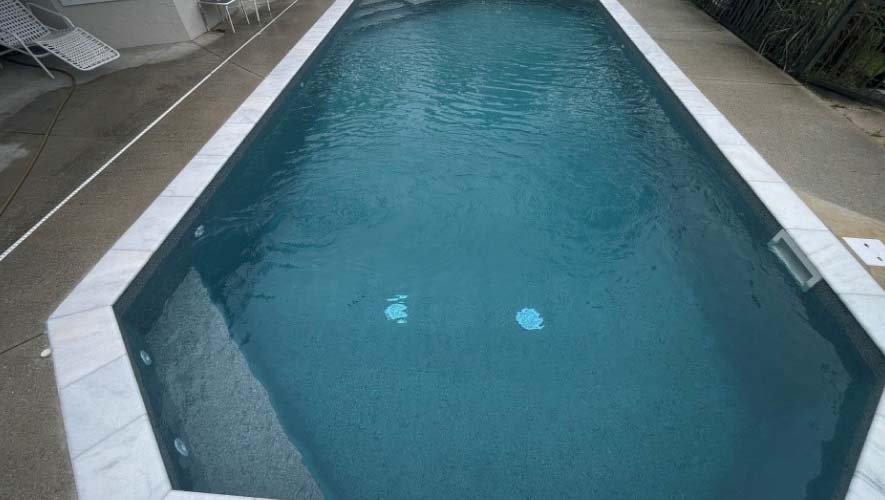
Follow these recommendations, and your pool will shine. In the end, liner installation errors can be avoided, as well as large unforeseen expenses, if you turn to SAKKO POOL. With us, you can not only get answers to all questions but also purchase thick reinforced membrane 60 mil, order its installation. Invest wisely and enjoy endless swimming!
Have Questions?
Talk to our specialist! Just fill out the form, and we’ll give you a call!
FAQ
Other articles on this topic
Pool Construction Costs in Florida 2026: ICF Blocks vs Traditional Methods
Common Pool Restoration Mistakes and How Thick PVC Membranes Fix Them in Florida Homes
Why a 60-Mil PVC Pool Liner Outperforms Thin Pool Liners in Sunny Climates
Common Pool Liner Problems: Insights from Reddit Communities
ICF Blocks Compared: Stronghold vs. BuildBlock – Which One Wins?
Insulated Swimming Pool Benefits: Energy Efficiency and Year-Round Use